
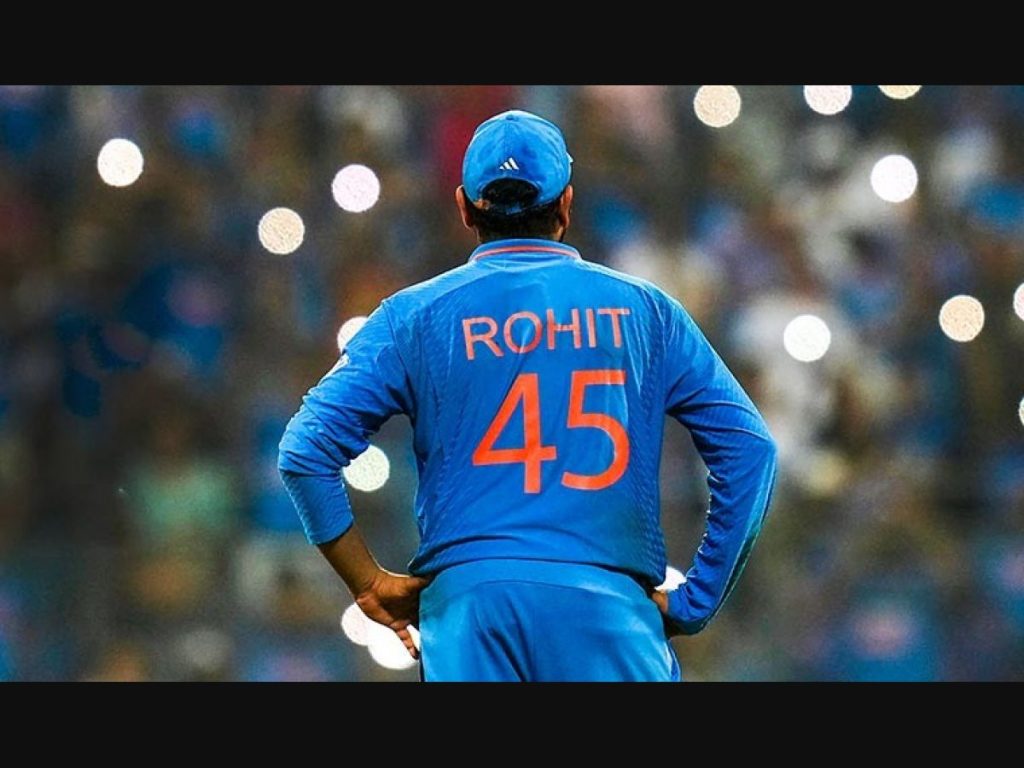
I earnestly believe that Team Sports at the highest levels provide a lot of learning for Corporate Management. There is no place to hide. It’s all out there happening in the open in an acutely competitive atmosphere. Goof-ups and crisis management; injuries and replacements; bonding and friction; Ups and downs; temperament and the Never Say Die spirit; leadership and rising up to the occasion; teamwork and collaboration; communication and defining roles; analytics and research; planning and execution. Hence my earlier blogs on ‘Management Lessons from Sports’, ‘The Gift of Captaincy’, and ‘Management Lessons from The Thala- MS Dhoni’- the last posted after CSK won a thrilling IPL final last year.
Rohit Sharma’s so-called laid-back demeanor hides the profound impact he has had both as a captain and batter for India and the IPL franchise. His affable, grounded, pragmatic approach has caught the attention of cricket pundits, cricketing legends, and cricket buffs all over the world. Some of the parallels with MSD are striking and The Thala’s influence is palpable. Rohit Sharma suddenly became the captain of Mumbai Indians in 2013 with Icons and seniors like Sachin Tendulkar, Ricky Ponting, Harbhajan Singh, and Malinga in the squad. Anil Kumble, then associated with MI, remembers that he was completely unfazed and self-assured. Like MSD with the India captaincy, he gave the stalwarts Respect and Space and seamlessly aligned them for the Team’s cause. The Mumbai side picked up its first IPL trophy in 2013. It was also in the same year that Dhoni promoted this middle-order batter to open for India in the Champions Trophy and the rest is history. The Rohit Sharma- Shikhar Dhawan partnership. Dinesh Karthick ( w/k batsman) who was also part of the MI team has observed that the omission from India’s 2011 World Cup team shook him up and he developed the quiet, steely resolve to make every match and tournament count.
‘I have tried to keep it simple. One thing- clear communication to the players. I have tried to make sure that they understand their roles and that’s what it’s all about. Understanding their roles and going out there and performing their roles.’ Another page out of MSD’s Captaincy manual. Sadly in the corporate sector, there are many employees, especially on the front line who do not understand their roles, contributions, and value to the team, office, or organization as a whole. The positive energy of team synergy and getting the bigger picture is missing. In the vertical or silo systems embraced by many Companies in the Service Sector, the sense of disengagement is even more pronounced and bureaucracy kicks in. Customer Service is the first casualty.
The unique Rohit-bhai takeaway is ‘that there has to be a sense of relaxation as well because it is important to keep the atmosphere light and cheerful’. But this coin has not dropped with some at the senior levels of corporate hierarchy and even at Board levels. Employee productivity and performance spike if the work atmosphere and culture are congenial- leading to better results and a more robust balance sheet. Virat Kohli calls Rohit ‘the funniest person in the Indian dressing room.’ His tapori language (Mumbai street lingo) and chilled-out behavior are both endearing and calming. The super intense Kohli seems to be enjoying his cricket as never before, laughing and joking with the team. No overweening egos, no insecurity, no camps. Reaching out and Bonding. The Hitman and The King are Bros for the Indian cricket mission. True, the stump-mic has caught the captain scolding and using cuss words with some team members on the field. But as Rohit Sharma simply puts it, ‘It’s not to hurt anyone. It’s just to make sure they are on the job and are thinking about the team.’ Other funny stump-mic comments have gone viral. In the third T-20 match against Afghanistan he got off the mark with a boundary down the leg-side but umpire Virendra Sharma signalled leg-byes. He approached the umpire with ‘Arrey Viru, thigh-pad diya kya? Bat laga tha. Already mere do zero ho gaya.’ (Did you give it as leg-byes. It hit the bat. In my previous 2 innings I have got ducks.). The Indian commentators in the box doubled up laughing.
Listen in to the Skipper’s report card ( on YouTube -Cricket Boy) on how the Men in Blue performed in their magnificent 4-1 Test win against an England team on a Bazball roll. First, the series-defining partnership by Jurel and Kuldeep Yadav at Ranchi. The emotions around Sarfaraz Khan winning his India cap at the Rajkot Test. How many years earlier he had played with the father Naushad in the Kanga league. Jaiswal’s dominating double century at Vizag. Bumrah’s 6-wicket spell in the same Test- reverse swinging the ball on a flat track in hot and humid conditions. The best fast-bowling display he has witnessed in India. The ‘legend’ of Ashwin and the brilliant return of the match-winning Kuldeep Yadav. Appreciative mentions of Gill and Jadeja. Special mention of how much he has enjoyed playing with these passionate young cricketers. No mention of his captaincy except to say that he had learned many things during the series. No mention of missing the likes of Kohli, Rahul, Shami, and Pant in the team. When have you last heard of a Corporate Captain being so warm and fulsome in his praise for his team? Teams matter. Corporate heads are representative of their teams. When the team performs well, a generous amount of credit rubs off on the leader.
Rohit-Bhai has been the Big Brother or the ‘Go-to’ man even before he was appointed as captain. You will see his hand over the shoulder of a dejected Kuldeep Yadav who had a bad day at the office. According to Parthiv Patel, ‘Rohit whole-heartedly supports his players even when they are grappling with difficulties demonstrating an unwavering faith in their abilities. There is an unparalleled sense of calmness in the team.’ He then refers to the case of Bumrah brought in by the MI scouts in 2014. By 2015, the management was pondering to send him back after half of the season. But the captain staunchly believed in his abilities and in 2016, the journey of India’s premier fast bowler across formats began. Likewise, Hardik Pandya’s entry in 2015 and after a lack-luster 2016 season many at MI were showing him the exit door. Again, the leader supports the player giving Pandya the chance to become the player he is today. Very ironic, isn’t it? Considering the recent developments at the franchise.
The Captain has to be a good mentor to bring about the best in her/his team. This is a critical attribute to anyone at the Senior or Middle Management levels handling a sizable team. Companies and Institutions unfortunately do not factor in this ‘X’ factor in the KRA’s and Appraisals. It’s all about numbers. So a person with a 15-year innings pops up on the radar as a Cost to Company (CTC). What the team leader is quietly doing daily behind the scenes is overlooked- training and motivating the team, sharing experiences, developing a second line- all fall through the cracks. One of the most critical attributes of an effective Manager- mentoring- is simply shrugged off.
R Ashwin’s exit from Team India after the second day of the Rajkot Test tells a heart-warming story. .The Test match was evenly poised and with the series itself at stake we have Rohit Sharma and Coach Rahul Dravid persuading their main bowler to take the BCCI arranged charter flight to Chennai to attend to his ailing, hospitalised mother. The star spinner then re-joins the Men in Blue on the 4th day of the Test with his recovering mother insisting that her son not let down the national cricket team. Little wonder, that in an emotional video posted on his YouTube channel Ashwin says, ‘I would give my life for him on the field, that’s the kind of captain he is.’ We have an increasing treadmill corporate culture where leave applications for genuine reasons are frowned upon and even family time on weekends is being compromised.
Rohit Sharma has a sharp cricketing brain and reads the game well. Zaheer Khan has this to say, ‘Rohit acts according to the situation, and many times they are different from what may have been planned in the run-up to the game.’ In corporate life also at times long-term planning and rigid structures become constrictive and hold back the Company from changing course pragmatically, especially in dynamic market conditions. Plus the Cool factor he brings to play. Hence no panic buttons after the disappointing loss at Hyderabad from a position of strength. Instead, a determined come-back to dismantle Bazball. Astute handling of bowlers and smart field placements frustrated the English batters and they collapsed like a pack of cards multiple times in the Test series. Another important learning is how the India captain did not hesitate to pick on the brains of key players like Bumrah and Ashwin. A good leader should be open to ideas and suggestions from the core-group and resonating from the ground. The Ivory Tower syndrome has to be avoided at all costs.
Leadership is not bequeathed through job titles or the size of the corner office. Every Corporate leader or Manager worth her/his salt has to earn the respect and trust of the team members by setting the right example and by leading from the front. ‘The Hitman’ ticks all the boxes across all formats of the game. A Test batting average of 45+ over 59 Tests, more than 10,000 runs over 292 ODI, and a Strike Rate of 92; almost 4000 runs in 151 T-20s at a Strike Rate of almost 140 which puts him in the Sehwag league. He has scored hundreds and double hundreds; changed games with his sixes and fours and played many cameo knocks which have made a difference. In the ODI World Cup 2023, he was the second-highest run-getter after Virat Kohli (765 runs in 11 innings) with 597 runs in 11 knocks. Many cricket commentators have lauded his totally unselfish approach of providing a rollicking start to the India innings. The ICC named him as captain of the ICC World Cup team which had 6 Indian players.
The other wonderful dimension he has brought to the game as a batter is the sheer elegance and power he brings to the crease. King Kohli says that ‘he has never seen anyone time the ball like him.’ Kapil Dev captures his Master-Class batting as,’ attractive, effortless and with all the time in the world.’ Sachin Tendulkar has observed to the effect ‘that once Rohit gets into the zone, the poor bowler does not know where to bowl.’ After he made it to ‘The Wisden 5 cricketers of the Year-2022 along with Bumrah) an article in the Almanack celebrated his sublime stroke play and especially highlighted his pull, cover drive, and back-foot punch as perfection.
There is a select group of corporates who have kept their eye on the ball – not losing sight of the fundamentals, the processes, and especially the people. But others focus only on the top-line and bottom-line and pay scant attention to the growing void at the centre.
Back to the Rohit Sharma story. The man who took the Mumbai Indians to 5 IPL titles has been abruptly replaced by Hardik Pandya. The transition could have been handled with more grace and transparency. Instead, it smacks of board-room intrigue, disrespect to the man who has contributed so much to the franchise, and a lack of basic decency and sporting spirit. However, the break from the burdens of leadership can prove to be a blessing in disguise. Fortunately for us, he remains the captain of the Men in Blue for the ICC T 20 World Cup later this year and if he keeps his focus and form we may see the Last Hurrah from Captain Rohit-Bhai at the World Test championship in June next year.

 A Fistful of Salt