The Asia Cup cricket tournament is on and the Men in Blue are serving their customary fare. Flatter to deceive. Winning their opening outing against arch-rivals Pakistan in a thriller and then just succumbing to them in their next encounter. This does not augur well for the national cricket team in the T 20 WC to be played in Australia in October-November this year. The only positive takeaways have been the return to form of master batsman Virat Kohli and some high adrenaline performances from Hardik Pandya and Surya Kumar Yadav.
Let us set the bar high. Win the Asia Cup to propel the side to win the Major-Down-Under. With our cricketers getting the VVIP treatment both in money terms and fame, should we settle for less? With an abundance of talent, with an amazing bench-strength the National cricket team is underperforming on the biggest stages of all.
Men in Blue 2.0. A lot is expected from the players under the mentorship of Rahul Dravid. But his innings thus far has been a mixed bag. The highs have been the 2-1 ODI win and 2-1 T 20 victory against a resurgent England side in England earlier this year. The down-side was allowing them to draw the Test series 2-2 in the one-off Test. One may add beating the West Indies on their home turf in the ODI 3-0 and T 20 by 4-1. The Windies are a very combative side in the T 20 format. They won the ICC trophies in 2012 and 2016. The loss to South Africa 2-1 in Tests and 3-0 in ODI’s hurts. Remember-Kohli resigned from captaincy after the loss of the Test series. There are Statistics and then there are Impact Stats. Winning matches on SENA (South Africa, England, New Zealand, and Australia) tours define the aura for the Indian cricket team. The conditions+ pitches+ opposition take these contests to another level of grit, flair and competition. Plus, plus, plus lifting the ICC World Cup trophies across formats- Tests, ODI’s, T 20’s. These test the nerves and temperament, the skills and adaptability of the best of cricketers. The best that can be said as of now is that the Indian cricket team under Head Coach Dravid is still to find its mojo. Let’s hope that the unit hits top gear soon. A trivia worth sharing- in his 10 month stint thus far Dravid has worked with 7 Indian captains.
Bilateral series wins on Indian turf cannot be discounted. But Indian teams across the last 2 decades and more have stood tall on home pitches. A couple of years back the bombastic coach Shastri hailed the Indian team as the best ever to represent the country. Really?! A reality check is in order per the SENA tours and the big ICC trophies. We lost the Test series 4-1 to England in 2018; ODI 2-1; T 20 2-1. Lost the Test Series to New Zealand 2-0 in 2020. The high point has been the never-say-die Test tour of England in 2021 where India led the Test Series 2-1 with the hosts levelling the series 2-2 earlier this year. And the T 20 away win in Kiwi-land in 2020. Much hype has been created about our 2018-19 victory tour of Australia. To spell out the context. The Aussies were still shamefully coping with the cheating scandal called ‘Sandpapergate’- ball tampering on the South African tour. Their top players Smith and Warner had been suspended for a year. Morale was at a grim low. Players were booed by their own people across all the venues. The Miracle Down Under under Rahane in 2021 is the real thing. The 36 all-out in the First Test. Losing top players to injury. Against All Odds. The rest is history.
World Cup silverware has not adorned BCCI shelves since the Championship trophy of 2013. Losing the Test Championship at Lords to New Zealand in 2021. Exiting the ODI semi-final in England in 2019. Not making it to the knock-out stage at the 2021 T 20 tournament. Let’s hark back to those who wore the Indian cap and colours in the earlier years. Winners of the ICC World Cup in 1983 and 2011. The T 20 WC in 2007. The Champions trophy in 2002 and 2013. Runners up at the ODI WC in 2003 and T 20 in 2014.
Stats can be spun to suit the narrative. Social media can amplify and distort the same. Is the Indian cricket team in the same league as the majestic Windies team of the late 70’s and 80’s? Or the great Australian side under Waugh and Ponting? These teams dominated the game for almost a decade. The Caribbean Calypsos did not lose a series for 10 years and more. Beyond the wins and the silver-ware they influenced and changed how the game of cricket was played. Interestingly, it was India that stopped the Windies juggernaut at Lords ’83 and again India that shattered the Aussie dreams of capturing the Last Frontier in 2001.
Shrug, shrug. In the opinion of many the challenge of the SENA tours and losing out on ICC majors does not seem to matter. After all, India is the centre of gravity of the cricketing world. Are we suffering from the Super Bowl syndrome of American football?! The IPL is the second richest sports league in the world after the English Premier League. Hope that Indian cricket is not affected by the curse of English football. The most followed football league on the planet but no major trophy for the English team since WC 1966. The powers that be and the Influencers of Indian cricket should understand that the fortunes of the IPL are inextricably linked to the fortunes of the Men in Blue.
Let’s look at other sports. The Spanish football team dominated the world of football for 5 years from 2008 to 2012.They won the European Championships in 2008 and 2012 and the World Cup in 2010. The 2010 team is considered by some pundits as the greatest of all time. Now 12 years on, can you remember any marquee names? Possibly one or two in one of the best football squads ever. To quote from one of the experts, “the journey of the treble of trophies was a long time coming for La Roja. After years of near misses and underachievement, Spain’s golden generation-produced largely by Barcelona and Real Madrid- became an unstoppable force.”
Let’s look at individual icons in a team sport. Lionel Messi is right up there in the stratosphere of football all-time greats. Some consider him the G.O.A.T. (Greatest of All Time) for his magical skills and abilities on the football field. But what haunted this Superstar was that he had not won any major tournament with the Argentina team. Till the Copa America in 2021. That he propelled his national team to the WC final in 2014 (1-0) loss to Germany or 2 successive Copa America finals in 2015-2016 did not count. At the top levels in international sports- the World Cups, Grand Slams, Continental Championships, Olympics- it’s holding aloft the trophy or wearing the gold medal that matters.
Domination of the game in all 3 formats is the only ticket for the Men in Blue into crickets ‘Immortal Hall of Fame.’ As ardent well-wishers we hope that the time starts now and continues for a few years on.
Is the popularity of the Indian Premier cricket League going down? The tell-tale signs are all around. Even 2 or 3 years ago, millions of fans were glued to the TV whenever their favourite player or team was in action. The next day, the match was the talking point amongst friends and in colleges and offices. Bars and Pubs were packed during key IPL fixtures for the high of the collective sporting spectacle experience. Such was the draw of the tournament that no major film was released during this period. Going to the stadium to watch a game with family and friends was an event to celebrate and to revel in through multiple shared selfies. Now, all that buzz and chatter has gone. Even many devout cricket followers are not clued in to which teams played the previous night. Those animated discussions have died down. The charm of the game has in a sense worn off.
In the first week of IPL 2022, TV viewership (as per BARC) dropped from 267 million to 229 million. The second week took the decline to 33%. The huge success story of the IPL is wrapped around TRP and TV viewership. Now there is a growing concern amongst advertisers and sports marketing professionals about the monetisation potential of this 2 month-long tournament. Public interest is waning; eyeball counts have dropped. But the BCCI lives in a bubble. From 2023-27, the Board is seeking to double the media rights from Rs 16,500 crs to Rs 33,000 crores. The same over-the-top spirit persuaded the RPG Goenka group to bid more than Rs 7000 crs to get the rights for the new franchise-Lucknow Super Giants. Dr Goenka believes that LSG will be worth more than $ 2 billion in just 2 years. I say, talk about hitting the ball out of the park!!!!!! The CVC Capitals won the rights for the Ahmedabad based Gujarat Titans by shelling out a mammoth Rs 5625 crs. Look at even the supporting cast of players. Pruthvi Shaw, who has not yet proved to be an Impact player or crowd-puller has been retained by DC for Rs 7.5 crs. Venkatesh Iyer (KKR) and Abdul Samad (SRH) who were auctioned for Rs 20 lakhs just a year back have moved into the Rs 8 crs and Rs 4 crs zone, I suppose on the basis of potential?! Hard-nosed businessmen seem to have been bowled over by the allure of cricket.
Some of the stakeholders and pundits have shrugged off this slump as a temporary phase. The heat wave and the exam season have not helped matters. Scheduling of afternoon matches has been a blunder. The blip is because favoured teams like CSK and MI have been underperforming; superstars like Virat Kohli, MSD and Rohit Sharma are having a lean patch. And all the matches are being played out in Mumbai, Pune and finally in Ahmedabad. The local fan fervour is missing. Point taken.
But are we missing the willow wood for the trees? Is there an overdose of cricket in India?? The IPL now has 10 teams-74 matches- over 65 days. The Indian cricket team has a busy schedule and tours across the 3 formats. So the volume of cricket served to the Indian cricket fan is very heavy. Is this overdose of cricket not being digested?! Furthermore, the fare served in the Premier League has become monotonous and predictable. Intensity and competitiveness are lacking. Those tight, edge-of-the-seat matches have become rare. Rather than hard-fought team contests with flashes of brilliance and super skills, the tournament has become more about PR and hype and a glamour circus. The loyal and even frenzied following enjoyed by a Manchester United or Arsenal in the EPL or Barcelona and Real Madrid in the La Liga have been built up over decades. There is a glorious history and tradition attached to the clubs with classic rivalries and the marquee players. The IPL is only 15 years old. Most of the viewership has not been built around the teams but around the celebrity personas of King Kohli and Thala MSD. Players like Chris Gayle, ABD or Rashid Khan have added to the TRP ratings. But the celebrations or disappointment is not acute or heartfelt as most fans are not really invested in any team. For instance, the vociferous support on social media for RCB to win the trophy for the first time is driven largely by the cult of Kohli. But I do hope that the Bengaluru team wins. If only to see Virat Kohli back with match-winning knocks in India colors.
It is high time that the format be changed to make the game more interesting. Commentator Aakash Chopra has come out with some game-changing ideas. The key one being that a team winning the game comprehensively within 10 overs should get bonus points. This will keep the competition simmering till late into the league matches phase as an X factor. Another oft-heard recommendation is the inclusion of 5 foreign players in the playing XI to boost the standard and quality of the cricket. Likewise only the most experienced and best umpires should take the field in this elite league, helped and supported by the best solutions technology has to offer. Another interesting idea is that of a strategic substitute. A batter or bowler can voluntarily retire to make way for a substitute from the dug-out who can best deliver in that game situation with the rider that this be a one-off option with the substitute player having not yet actively played in the match.
It is also high time that the powers that be introduced the football yellow and red card practice in this tournament. The yellow card as a caution or warning to a cricketer who sledges, curses and abuses, throws tantrums or wastes time or cheats. The red card to evict a crass player who has really crossed the line of acceptable behaviour. With no substitution allowed and the guilty being benched for the next match also and with a punitive monetary deterrent in place. The celebrity bubble-dom of IPL cricket has taken its toll on good sportsmanship which once enhanced the charm and dignity of the game of cricket. The raw aggression of Kohli has found many, many admirers amongst his legion of fans but has also rubbed off on many of our younger stars. In IPL 2022 itself, we have seen a seething Pant send his coach Pravin Amre onto the field to protest an umpiring call while possibly gesturing to his batters to come back; KL Rahul’s consistent breaches of fair play as captain; Hardik Pandya’s gaalis at his own senior team-mate Shami; most disappointingly Rohit Sharma’s expansion of his coarse vocabulary even as he fails to score runs. The players need to be held to a higher standard. The blatant commercialisation of the IPL and its vacuous culture has to be reined in. Perhaps with cricket marketed as entertainment, the IPL is going the WWE way. Unfortunately, our TV experts and even well-known ex-cricketers have morphed into cheerleaders and PR spin masters as they have jumped onto the gravy train. The game of cricket is the loser. An interesting aside is that in a recent of his never-ending interviews ex-coach Shastri declared that he had moulded the Indian cricket team to match the relentless aggression of the Australians, “If the other sledged, give back to him threefold. Twice in your own language and once in English.” The young stars are certainly making their mentor proud. Wonder what ‘Indiranagar ka goonda’ thinks about all this.
The dark side of the tournament is fairly recent history. Match-fixing and spot-fixing, which resulted in CSK and RR being banned for 2 years. But the biggies involved got away without even a slap on the wrist. The danger lurks around the corner in the form of the underworld betting and drug syndicates. The IPL is very vulnerable and another major fixing scandal can take down the entire IPL edifice. Even the most passionate Indian cricket followers will lose their faith in the game. This is one area where the administrators and security people cannot take their eyes off the ball. The Sharjah tournament of the 90’s was controlled by the D Company with Asif Iqbal, the Pakistani cricketer, as the flagbearer.
Indian and world cricket have certainly benefitted manifold from this cash-rich league. The fitness of cricketers is now front and centre and this is clearly seen in the fielding agility and the athleticism on the cricket field. It will be befitting if this third dimension of the game- fielding- is given more prominence through the IPL cameras. With our youngsters rubbing shoulders with foreign greats, their confidence levels and cricketing skills have primed up. Plus the opportunities that the tournament has opened up for talented aspirants from across the country- remember Bumrah was spotted by MI scouts and nurtured by the franchise before he became India’s strike bowler. Then there is the heart–warming story about how it has helped put Afghan cricket on the world map.
India is at the epicentre of global cricket with BCCI being the richest cricket body. But the Board may well be killing the goose that lays the golden eggs. The Indian passion for cricket has been ignited and fuelled over generations by the achievements of the national cricket team. The fortunes of the IPL is irrevocably tied to the performance of the Men in Blue. Over the last many years, the team has flattered to deceive at the majors. The entire focus and planning should be on winning the trophies at the ICC tournaments across formats and being triumphant on the SENA tours. Our best players should be rested to avoid the fatigue and burn-out of non-stop cricket. There should be acclimatized- warm-up matches in the run-up to an important overseas series. The Miracle Down Under with Rahane at the helm was savoured and feted by cricket followers all over the country and served as a humongous boost for the game. The Indian cricket fan will have no patience or regard for get-rich-quick IPL players if they do not give their all for the India cap and flag. Sincerely hope that the cricket administrators, selectors, players and pundits see beyond the glitter and the money; that they value and respect and appreciate what the game of cricket really means to the people of this vast land.
Rafa Nadal’s epic win at the Australian Open (AO) has sent seismic waves through the sporting world. The MARCA Sports News aptly captured the moment, “… when someone tells you something is impossible, think about Rafa.” Just 6 months earlier he was on crutches. He tested Covid positive in December 2021 and went into home quarantine. Beating the world no 2, Medvedev, 10 years younger and raring to go; 2 sets down and 3 match points down in the 3rd set; winning a gruelling 5 setter in 5 hours and 24 mins. Boris Becker had once said,’ the fifth set is not about tennis. It is about the head and the heart.’
His good friend, arch-rival and tennis legend Roger Federer paid this classy tribute, “Never underestimate a great champion. Your incredible work ethic, dedication and fighting spirit are an inspiration to me and countless others around the world. I am proud to share this era with you and honoured to play a role in pushing you to achieve more as you have done for me for the past 18 years. A few months ago we were joking about being on crutches.”
The first few years for the young Nadal on the professional circuit were brutal. Stress fracture to the left ankle in 2004, foot injury in 2005, knee injuries in 2007, 2008, 2009. In his book ‘Rafa’ published in 2011, he admitted to contemplating ditching the sport and play golf instead. The trauma continued. A lengthy lay-off after Wimbledon in 2012; missing the US Open in 2014 with a wrist injury; sitting out Wimbledon 2016 because of a torn tendon in the left wrist. The Spaniard wryly started talking about an expiration date. But he returned to sweep the French Open from 2017-2020 and win the US Open 2017&2019. Plagued by injuries!! In June 2021, he pulled out of the Wimbledon and the Olympics- ‘to listen to his body and recuperate.’
The tennis experts have marvelled about his game. The spin and bounce that he creates especially through his forehand, often causing the ball to bounce more than expected. His ability to return almost anything with incredible speed. But the Nadal Effect is far bigger than the sport he represents. The Croatian Real Madrid midfielder Luka Modric had this to say after the famous AO win, “How well you represent the value of sports, Mr Rafael Nadal.” An emotion shared across the world of sports. A B De villiers, Mr 360, remarked, “Rafa always shows us what sport is all about. Respect for the opponent and the game. Incredible fight till the end. Humility, irrespective of his achievements.”
The way Rafa has conducted himself on and off the court has been remarkable. When repeatedly pressed on his 21st Grand Slam win he shrugged it off with “I don’t care if I am the GOAT (Greatest of All Time). I am super satisfied and feel like a very lucky person in general for all the good things that happen to me in life. I am not going to be frustrated if Novak or Roger finish careers with more Grand Slams than me. Let’s enjoy the situation. We did very special things in our sport. The other things don’t matter.”
It’s not surprising that way back in 2008 the tennis champ and his mother founded the ‘Rafa Nadal foundation.’ ‘To try to help and give back to society all the luck we have and how well life has treated us. To bring into play the transformative power of education and sports. For the disadvantaged children.’ The Foundation has also embraced the care of the children with intellectual disabilities and the cause of social integration of vulnerable kids. A Nadal educational and tennis school was set up at Anantpur in India in 2010. The students from poor communities are assured of academic support, tennis coaching, nutritious meals and basic health care. Toni Nadal, his uncle and well known coach heads the Tennis Academy which opened in Mallorca, Spain and is now home to 130 youngsters. The Academy courts have since rolled out in Greece and Kuwait also.
The other much feted tennis star Roger Federer has transcended his sport to become a global cultural icon. His 20 Grand Slam triumphs and innumerable ATP tournament wins have just added to his aura- oozing cool, charm and charisma. But the young Roger was prone to outbursts and tantrums and bouts of laziness. At Roland Garros in 2000, his first year on tour, he created an unseemly racket by throwing his racquet 4 times in succession. In 2001, his loss at the Hamburg Open was exacerbated by his unsportsmanlike behaviour. The emotional turning point came with the death of his coach Peter Carter in a car accident in August 2002. The young Swiss tennis player was devastated and bawled his heart out. He made a decision to change his life amidst ferocious grief. Now with an acute sense of mortality, he started seeing a sports psychologist (The Roger Federer Story- the Quest for Perfection by Rene Stauffer). “So… so his phenomenal mental strength was not a natural gift but a learned skill. He decided to combat Fire with Ice. Have fire and the burning desire to win but also the ice-coolness to absorb losses and bad matches.” Hardly surprising that his peers voted him to receive the Sportsmanship Award 13 times.
When tennis was becoming boring with power dominated baseline games, Fed Ex with the sheer beauty of his game and the fluid movements took the game of tennis to another level. The touch and the finesse , the subtlety and the artistry took our breath away. Roger Federer was the master of reading his opponents game and manipulating spaces on the courts through sublime movements. What has stayed with me is an article in a sports magazine describing him as, “a combination of Zorro with a flashing blade and a graceful ballet dancer.” The Swiss Master, 5 years Nadal’s senior, has gone through foot and back injuries in 2007 & 2008 and 3 knee procedures in 2020-2021.
It is not sufficiently well known that he is the author and the driver behind the ‘Laver Cup’- pitting European tennis players against their counterparts from the rest of the world. Inspired by the ‘Ryder Cup’ in golf but graciously named after the Australian maestro.
The Roger Federer foundation has been working effectively for 18 years to help poor and handicapped children in Switzerland and across 6 southern African countries. It has delivered meaningful primary education to more than 2 million kids to give them a fair shot at life. More than $ 52 million have been invested over 7000 schools. For education and nutritious meals. More than 10000 teachers have gone through mentoring programs to make a real difference in the class rooms. During the Covid lockdown 64000 children in Africa were sustained through the injection of $1 million for their welfare. His Humanitarian stature is further enhanced by the fact that a world-wide poll listed him at no. 2 amongst the most respected and trusted people. No. 1 was Nelson Mandela.
The third member of the Holy Trinity is the Serb, Novak Djokovic. Despite his current travails the odds are that in a year or so he will be anointed as GOAT amongst mens’ tennis players. At least another 2 or 3 Grand Slam majors silver ware will adorn his expanding trophy cabinet. He is regarded as the greatest counterpuncher and possibly the best returner of serve of all time. A lethal backhand and awesome all-court agility makes him the force that he is. The pinpoint accuracy and depth of his shots overwhelm even his ranked opponents. Another interesting aspect of his game, pointed out by pundits, is his uncanny ability to raise the level of his game. And when it’s about the ‘big points’ Novak sails through. Rafael Nadal has admitted that the difficulty in playing Djoko is that there is no clear game plan because there is no clear weakness. He is unique in the sense that he is an implacable defender at heart who mutates into a dominant attacker at will.
Djokovic, who is not held in the same esteem as Federer and Nadal, received the the ATP Arthur Ashe Humanitarian Award in 2012. He and his wife Jelena have been hugely supportive of good and inclusive early childhood education in Serbia. Some may be surprised to know that this anti-vaxxer has donated 1 million pounds for purchase of ventilators and other medical equipment to support hospitals in his country during the pandemic. An eye-brow raising nugget is that Novak is an 80% promoter in a Danish bio-tech firm which hopes to come up with a cure for the Covid virus.
Over the last few years the tennis ace has made some poor choices which have landed him into controversy. At the height of the pandemic he organised the Adria tennis tour in the Balkans. Thousands of tickets were sold and players like Cilic, Thiem and Dimitrov signed up. The tournament had to be cancelled after some of the players tested positive. In 2021 he made a list of demands to Tennis Australia before the AO. Like private houses for the players and private tennis courts and reduction in the quarantine periods. This attitude of self-entitlement continued at this year’s AO when a confused and incompetent Aussie establishment finally deported him on ‘Public Health and Good Order’ grounds. The bad times go back to the 4th round of the 2021 US Open where Novak defaulted the match for hitting a line-umpire with the ball, albeit inadvertently, in frustration.
Sports has its great players and athletes who are not so great role models. And there are the hallowed few who embody the soul and spirit of Sports through their masterful skills and amazing grace. Game, set and match. Despite the number of tennis majors’ trophies on Novak’s shelves, Roger and Rafa will remain the most admired and respected tennis players.
The drubbings at the hands of Pakistan and New Zealand in the T20 World Cup tick both the boxes in the above title. Getting thrashed by 10 wickets and 8 wickets is akin to an innings defeat in a Test match. The Men in Blue are out of another ICC major championship —only this time not making it to the knock-out stage.
Is it such a rude shock? Not really. First, the hype. The IPL is the world’s most glamorous cricket carnival hosted by the richest cricket body, the BCCI. It has given opportunity and confidence to the younger players and enhanced the fitness levels of our cricketers. Some of India’s best have been spotted by IPL franchise scouts; Bumrah was discovered by the Mumbai Indians. The flip side is that it does not have the intensity found in major ICC tournaments or even in well-contested series especially with the SENA nations. The cricketers are feted as celebrities and the real contest and the competitive edge are missing. But here lies the catch. The fortunes of the IPL and Team India are interlinked. If the latter continues to underperform at major tournaments, the mass following for the IPL will dwindle.
Many well-paid commentators, including ex-cricketer experts, have all jumped onto the gravy train. So on international series and tours, they no longer objectively call out selection mistakes, wrong captaincy calls, poor reading of the game, bad sportsmanship, or cracks appearing in team spirit. So when Shastri says that this is the greatest Indian team ever, there is a chorus of approvals. While Kohli says his team can win from any situation, there is chest-thumping in the media. Overconfidence leads to bad results. Curiously, there is very little focus on Impact players from the other teams. Remember that Harsha Bhogle was put out in the cold for some time a few years back. His sin – he had something good to say about the competing international players also. Millions of die-hard fans have been fed this false narrative that our cricket team is head and shoulders above the other teams. Bad days like the 36 all out at Adelaide and the 78 at Headingley on the recent England tour and the defeats at the 2019 ODI WC and the World Test Championships in 2021 are all swept under the carpet.
Indian cricket has an abundance of talent and bench strength which is the envy of other cricketing nations. But this has to be mobilized and harnessed effectively by the captain, coach, selectors, and the BCCI. Captain Kohli’s in-one’s-face aggression has won him a huge legion of fans. But such relentless intensity has also undermined his batsmanship – he is showing symptoms of burn-out. He has been crass and hyper on the field and per reliable reports in the dressing room also. The dressing room environment gradually creeps onto the cricket field. It is bound to affect both team spirit and individual performances. Both are two sides of the same coin. Now let’s talk about Mr Shastri. As the captain’s hand-picked coach and Yes Man, he is also accountable for our futile run at the ICC tournaments. With a rich repository of cricket talent to tap into, this is not acceptable. The toxicity started with the ouster of Kumble as coach at Kohli’s behest and the silence from the BCCI and the cricket establishment. Virat Kohli has gradually become bigger than the game in India. Erratic selection, benching of in-form players, taking decisions solely by instinct, and throwing tantrums have all become acceptable over the years. Analytics inputs or sensible advice from the outside even by a reputed name have all been given the short end of the stick. Team bonding and consistency have suffered and even seasoned players have not played up to their potential.
The extended bio-bubble may have taken its toll on the players. It is also possible that some had tired legs or felt stale with the second leg of the IPL just before the WC T20. But this does not tell the entire story. Pakistan’s cricket team is driven by hunger, anger, and passion. They feel marginalized on the world cricket circuit and have grabbed this opportunity to drive home their point. They are playing out of their skins.
Front and Centre are 2 subjects which are almost taboo topics for our cricketing establishment or brotherhood. Thankfully, Madan Lal has been critical about the scheduling of the IPL second leg just before the T20 WC. Kapil Dev has gone even further- whether the Indian cricketers are giving more preference to this cash rich franchise league than to the singular honour of playing for the country. In the future the BCCI will have to give serious thought to player work-loads and series and tournament schedules with the prime focus being that the Men in Blue bring home some much needed silverware. Else they are killing the goose that lays the golden eggs. The success of the Indian Premier League draws from the success of the national cricket team.
The other relates to Virat Kohli’s captaincy. I guess the jury will always be out on this one. Kohli has become an icon for millions of Indian fans not only because of superlative batting performances but because of his raw aggression, passion for fitness and wearing his heart on his sleeve. Even after his team’s very disappointing exit from the ongoing T20 WC his army of admirers on social media hail him as King Kohli. The cricketing experts and the media in general are tip-toeing around the subject with diplomatic grace. We are living in some strange bubble.
Cometh the hour, cometh the man. Rahul Dravid will be the next coach. A true cricketing legend and a mentor for many of the younger stars through U19, India ‘A’, and the National Cricket Academy. Immense match experience and cricketing acumen: focused, grounded, level-headed, and universally respected. When The Wall walked out to bat one could see the Indian tricolour fluttering in the breeze. But he has his work cut out. There are challenging times ahead and he has to be given a free hand. Virat Kohli continues as captain for the Tests and ODI’s. Will he listen, change, adapt or even reinvent himself? Regain his mojo as a masterclass batsman? Some of the impressionable youngsters have bought into the hype and the celebrity-dom. They have to face the reality check and rediscover their day-to-day balance. Dravid’s mission is not just to get the Indian cricket team to bond together and play to their fullest potential. He has to get each person on the Indian team to value and respect the India cap to the fullest. And even more. Play to win but with the sporting spirit currently demonstrated by Kane Williamson’s Kiwis.
After the miracle Down-Under and the wins against England at home, many pundits and fans have already anointed India as the champion cricket team. Ravi Shastri’s bombast adds to this somewhat pre-mature exuberance and celebrations. However, Ian Chappell’s recent observations brings a positive perspective and a lot of cheer and hope for the Indian cricket follower. “India have finally got the equation right and as long as they can avoid the pitfalls often associated with continuing success, they are better equipped than any other team to produce an era of dominance. The rest of the cricketing world.Beware!”
To be hailed amongst the all-time great teams India would need to show its class against quality opposition on their turf. And demonstrate supremacy on home soil. Really perform on the big occasions. Across the 3 formats- Tests, ODI’s, T20 cricket.
An objective look at our recent track record against the SENA nations (South Africa, England, New Zealand, Australia), shows that Indian cricket still has much to conquer. (0-1) Australia in 2015, (1-2) SA 17-18, (1-4) England 2018, (2-1) Australia 2018 and (0-2) New Zealand 2019-20. The Australian tour win be seen in the context of the host side shaken by the sandpaper-gate scandal and without their best batsmen Smith and Warner. Nine of our overseas Test wins have been against Sri Lanka (5) and the West Indies (4) languishing at the bottom of the table. Also take cognisance of our semi-final exits in the 2016 T 20 WC and the 2019 ODI WC.
The West Indies cricket team under Lloyd and Richards dominated cricket from the late 70’s till the end of the 80’s. They comprehensively won on all the Australia tours, only drawing the 1981-82 series (1-1). From 1976 onwards, they beat England in England decisively including a 5-0 blackwash in 1984. India, considered a difficult place to tour, lost (0-3) in 1983-84 followed by a (1-1) draw in 1987. Under Viv Richards they did not lose a Test series from 1984-91.
The Windies transformed themselves from a bunch of easy-going Calypso cricketers to a charismatic band of winners. Their sheer athleticism, ability to play exhilarating and attacking cricket, improvise and control the game changed cricket itself. The lethal pace quartet revolutionised the sport and the Caribbean impact was such that to this day cricket buffs can recall the names of all the players in their squad and not just the marquee ones.The men in the maroon caps had also won the first 2 editions of the ODI WC in 1975 and 79 before losing to India in the memorable final in 83.
The Aussies under Steve Waugh and Ricky Ponting were world beaters for almost a decade. They won the ODI trophy in 1999, 2003 and 2007. Awesome!!! Championship titles in 2006 and 2009. Their record in the other SENA countries is impressive. Under Waugh they won 8 out of 9 Ashes Tests, losing only one. Also, he led them to 15 of their record 16 consecutive victories. England beat Ponting’s XI in a thrilling 2005 Ashes series (2-1) but they exacted a 5-0 whitewash revenge at home in 2006- 07. The stamp of Aussie dominance can be gauged by the fact that Ponting is the only cricketer in history to be a part of 100 Test victories. The next 6 top players with most Test wins are all Australians who were intrinsic parts of the great teams of the late ‘90’s-2000’s.
This Aussie era was marked by ruthless efficiency and driven by cold-blooded scientific analysis and planning. Sledging also reached its peak as winning was everything. But other than Waugh and Ponting others like Gilchrist and Hayden and McGrath and Warne have also left huge shadows on the cricketing grounds.
A few interesting nuggets for Indian buffs. Waugh’s winning streak ended at the Eden Gardens on the classic tour of India in2001. (2-1 for india) The Aussies could not breach the Last Frontier. Ricky Ponting never won a Test match in India, played 7 and lost 5. But under his captaincy from 2005 to 2008 there was a second incredible show of dominance over 22 undefeated matches and 20 wins. India again played the Spoiler at Perth in one of Indian cricket’s most famous overseas wins.
2008-14 was the golden age of Spanish football. Spain topped FIFA rankings for 6 years winning the UEFA Championships in 2008 & 2012 and the FIFA World Cup in 2010. The first team to win 3 consecutive world trophies. From 2010-13 they went undefeated for 29 games. And the Spanish team scored the highest maximum points for WC qualification- 30 out of 30. The star players were mainly drawn from Barcelona and Real Madrid, bitter rivals in the domestic La Liga. But they combined as a team at the national level with the Tiki Taka style of play of short, quick passes. Retaining possession of the ball, wearing down and opening up the opposing defence and then shifting gears. They took the game to another level with their precision, well-oiled football.
After watching ‘ The Last Dance’ on Netflix, the glorious story of the Chicago Bulls stays with you. The treble NBA championships from 1991-93 and an euphoric encore from 1996-98. Although the Bulls have become synonymous with Michael Jordan, it went beyond MJ. The coach, Phil Jackson, created a great team around MJ for the first hat-trick of trophies. When MJ came back from retirement he was moulded into the ultimate team player with the likes of Scottie Pippen, Rodman and Toni Kukoc playing critical and even game winning roles. The dissipation and fall of the team due to the whims and ego of a General Manager and a pliant owner is both poignant and educative. Great teams are very difficult to build. Once they happen and come together they find a life and synergy of their own.
Sunil Gavaskar believes that India has a great team. He comments, “A captain is always as good as his team and he has a terrific team under him. The full balance of the team has been fantastic. When you have something like that you will win more matches than you lose.” He continues about the “terrific opening batsmen, a very good middle order and a bowling attack which has most variety. A wicketkeeper who is very good and who can come down the order and pummel the bowlers.”
Indeed, the bench strength is deep and impressive. We have 2/3 more openers who can take on international attacks. There is strong competition for the middle order slots. A pool of good all-rounders led by Jadeja lends flexibility to the team. A fit and energetic fielding side- thanks to the example set by Kohli and the demands of the IPL. A potent fast bowling battery plus an array of good spinners to choose from. And the dashing Pant has to keep improving as he has Samson, Rahul, Karthick, Saha breathing down his neck to don the gloves. Indian cricket has never had it so good, verily, a plethora of resources.
Behind the scenes, Indian cricket owes a debt of gratitude to Rahul Dravid. Whether at the Cricket Academy or at the U-19 level, the break-out youngsters have been groomed and mentored by this cricketing legend. Young, raw talents have blossomed like never before.
The X factor to make Indian cricket the force that it is- is the fast bowling arsenal. We have at least a dozen bowlers in domestic cricket who can bowl at 140 kmph plus consistently and make the batsman hop and duck. A far cry from the days of Saeed Ahmed Hatteea (a Bombay quick) who was advised by shaken batsmen to cut down on his speed so that he would not burn himself out.
Bharat Arun, our bowling coach, believes that’ over the last 2-3 years Indian pacers have mastered the art of bowling fast, pushing for speeds of over 140 kmph. They have become fast and lethal and most importantly consistent in maintaining fitness which is a crucial issue for speedsters. Bumrah, Shami, Siraj, Yadav and Bhuvi have troubled batsmen in international cricket irrespective of playing conditions. They have hugely influenced Team India’s success to become a top-ranked nation in cricket.’
The only other ingredient for continuing success is team spirit and the hunger for wins. As shown by the Windies teams of the 80’s, the Aussies under Waugh and Ponting, the Bulls era in the 90’s and the golden period of Spanish football. The fairy-tale victory Down Under by Rahane’s depleted team have many lessons to take forward. About getting all players on board, playing to their best potential and at times even out of their skins. Team Spirit adds an extra dimension of its own to team performance. Capt Kohli should reach out and tap into the cricketing brains of Sharma, Ashwin, Rahane and Bumrah in both strategizing for and reading the game.
2021 may well be the watershed year for Indian cricket if events unfold as per schedule. First, the World Test Championships at Lords vs New Zealand on the 18th June 2021. Followed by a gruelling 5Tests tour of England. To cap it all, the World T 20 tournament at home from Oct this year. If the Men in Blue win the Lord’s contest, have a good English tour and lift the T 20 cup, then they are on their way to the Hall of Fame. And we will be ushered into an exciting and enchanting Era of Indian cricket.
On the 19th Jan 2021, the Indian cricket team breached the ‘Gabbatoir’ in Brisbane, Australia. The hosts had last lost a Test there in 1988, against the Viv Richards led great West Indian side. This series win has caused mass frenzy amongst the Indian cricket fans and pundits alike. ‘The Underdog Miracle’, ‘Against All Odds’, ‘A Fairy Tale Win’, ‘The Gabba Heist’ and ‘The Greatest Comeback in Cricket History’ are just some of the awe-struck and superlative reactions and headlines. Social media has gone berserk. After the shameful 36 all out debacle at Adelaide, to pull off the stunning win at the MCG, fight to a stirring draw at Sydney and finally that wonderfully scripted victory at the Gabba seemed unreal and straight off the ultimate feel-good movie triumph. Some of the Indian papers summed up the cricket series thriller with ‘Ajinkya’ (Invincible).
Delve into the sub-texts and one discovers even more astounding layers to the story. The Men in Blue were truly Down-and-Under after the humiliating 36 in the First Test. On Boxing Day at the MCG, the tourists were already depleted without their captain and best batsman and some other major players hobbling along. But then each session, each innings and each Test called out for its own heroes. Debutants and novices and net-practice bowlers rose to the occasion and the national call. As did the few seniors remaining- Rahane, Pujara, Bumrah, Ashwin and Jadeja. For the decider match, the last three were also ruled out because of injuries. The India XI were reduced to the ‘Hardly XI’ as an Aussie paper put it.
So what was the X-factor? Kohli left on paternity leave after the disastrous First Test. In stepped his understated deputy, Ajinkya Rahane. His astute marshalling of his team and calm disposition played a defining role in what played out thereafter. In a blog I had posted before the WC 2019 (Captain Kohli) I had submitted that the best player does not necessarily the best captain make. Kohli’s undoubted greatness as a batsman notwithstanding. Truly MASTERCLASS. Think about Ian Botham’s dismal stint as the England captain before his break-out Ashes series under Mike Brearley. Kohli is a force of nature. His passion, his focus and his fitness have left an indelible mark on our cricket. RESPECT. However, his hyper temperament does not make him the right man to lead this Indian side into the sacred pantheon of the All Time Great Teams which demand a sterling overseas track record.
This is not a simplistic debate about aggression vs composure. One of our best captains ‘Dada’ Ganguly was aggressive and even dubbed as arrogant by some. At times he wore his heart on his sleeve. But his cricketing judgments remained sharp and the emotional connect with even the younger members added depth and dimension to his leadership. Remember that he steered the Indian team after the infamous match-fixing scandal and also mentored emerging small town players who later became big names.In the Indian context at least, empathy and bonding and understanding make a big difference- on challenging tours and in big-match situations. The dressing-room environment matters a lot. Come to think of it, Rahane did show a quiet, steely resolve backed up by game-plans and with the entire team on board. But in today’s hyped-up times this may perhaps not qualify as aggressive intent.
So let’s look at the Rahane Effect. Brearley in his book, ‘The Art of Captaincy’ says, “That it is not about winning or losing. It’s about getting the best out of the team you have.” Our stand-in skipper did just that- extracted every ounce of performance from his team, no matter what the situation. He was approachable and the team related to him. The grapevine tells us that he did not tell his men what to do. He just gave them space and re-assurance and they responded magnificently. After all, he counted himself amongst them. The team plays under Kohli. It plays with and for Rahane.
The team-huddle; Rahane with a few key words and a composed tone, with Rohit Sharma, Ashwin, Bumrah, Pujara and Jadeja weighing in. Contrast to Kohli. Mostly a monologue – at times peppered with intensity. Is it any wonder that Bumrah walked back with the debutant Siraj to the top of his run-up. Or that the Indian lower-order batsmen refused to give up. Ashwin and Vihari with back spasms and a hamstring problem. Later Thakur and Sundar stepped up to the plate. Everyone’s contribution counted. Rahane had brought in empathy- the emotional quotient- and this resonated with the players. His special mention of Kuldeep Yadav after the Series win was one with this inclusiveness- this Brohood.
He read the games astutely and keenly. Like introducing Ashwin as first change in the 11th over of the game at the MCG. There was moisture in the wicket. It was a tactical master-stroke. He snared Wade and Smith in his first spell. Ashwin bowled a 12 over spell. Yadav 6 overs, Bumrah 5 overs and Siraj 6 overs. The longish spells allowed the bowlers to find their rythmn and work on their plans. The impatient Kohli had been known to change bowlers after a couple of overs if he sensed nothing was happening. Move to Brisbane on the 4th day. Australia comfortably placed with a 100 run lead and all wickets at hand. The Indian captain continued with his 2 slips and a gully field. Looking for wickets to contain runs. And sure enough, the hosts lost 5 wickets- 4 to catches by the keeper and the slips cordon. Or the decision to elevate Pant to the no 5 position at the SCG and Gabba- repaid in full by the game changing 97 and 89 N.O. knocks. On the 5th day at Brisbane as he walked back after a quick-fire innings he told the incoming Pant to bat out the few minutes before tea. Then revert to his natural self with the bat. Rahane’s calculation was that a target of around 145 was gettable in 35-38 overs if they had a few batters striking good. The clear-headed session by session approach. This when most of India was praying that we would hold out for a draw. The gamble of inducting Washington Sundar into the side with Kuldeep Yadav on the bench underlined the serious strategizing for the finale Test match.
His calmness was a major plus and kept the focus in place. After the racial slurs vented at Siraj by some spectators at the Sydney Test, Rahane stepped in. He firmly complained to the umpires and the referee asking that the guilty be evicted. They had come to play cricket but his players had to be respected. Having stood up for his man the game continued. Or his implacable demeanour when a clearly run-out Tim Paine was ruled not-out at the MCG. Virat Kohli would have ranted. Or his own run-out after a scintillating century on the same ground. He walked up to the disconsolate Jadeja at the other end with a pat and a, “No worry. Keep going. The team needs you.”
Lastly, setting an example as a leader. His impactful century (112) at the MCG turned the narrative for the series. The positive cameo knock (24 of 22 balls) after Gill’s classy 91 on the final day of the Brisbane Test showed India’s intent and kept back the Aussies from an all-out attack. The grit and courage of Pujara, the brilliance from Pant and the aggressive burst from Sundar completed the unbelievable last lap for India. The post-match presentation ceremony where he quickly shifted the limelight to his team and the handing over of the 100 match memento jersey to Nathan Lyon showed humility and grace in abundance (shades of Kane Williamson). Even the hard-boiled Aussies have been bowled over.
Contrast this to the frequent chopping and changing of the Indian team under Kohli (where Shastri had been complicit). Rahane benched for the first 2 Tests on the South African tour despite a good overseas record. The ever dependable Pujara dropped from a Test eleven on this important tour. Now that both of them have become household names-recall these selection blunders. Bhuvaneshwar Kumar out of the second Test after a good show in the first Test. Whimsical, what!! It is commonly accepted by the experts that our disastrous 1-4 sojourn in England owed much to poor team selection. Two of the matches India lost were fairly close and could have gone our way with the right resources at hand.
His misreading of pitches and conditions has become a regular feature. On a dry Southampton wicket he opted for only one spinner- a half-fit Ashwin. The English went with Moeen Ali and Rashid. The Impact Player- Moeen Ali. At the new Perth stadium in Australia the skipper got carried away by the history of the ground. We fielded 4 fast bowlers. Nathan Lyon gave the Man of the Match performance. Back to England where the defensive field settings allowed the English middle order to flourish and take control of the matches. Even at the IPL level it has been oft been said that RCB would surely have won a trophy by now if only AB de Villiers had been the captain.
Let me bring in Paddy Upton, a renowned mental coach + a professional cricket coach from South Africa to drive home the point. He had been associated with the Indian cricket squad when Gary Kirsten was the coach. His observations, “Kohli has the fear factor making others insecure and even inferior. Under him the team views everyday details as a chore. When people burden their mind it is hard to get them to be free and to play the game the way it works for them. Kohli is very demonstrative- exuberant in his celebrations but also not empathic on the field whilst showing anger or anguish. His team-mates walk on thin ice, afraid of making a mistake. Once a player tightens up he is no longer the player he is meant to be. On the other hand Rahane is equanimous. His calm and general demeanour allows him to be approachable and relatable to the team. He has fire and courage within him but controlled. That is why they played so well at the Gabba.” And then the ultimate compliment, “That level of camaraderie I haven’t seen in Test cricket for a while.”
What about Kohli’s handpicked coach- Shastri? This Australia tour has been a boon for him-just being at the right place at the right time. Some of the credit will rub off on him and he will milk and spin it for all it is worth. Especially the so-called rousing speech he gave to the team after the Adelaide debacle- wear this 36 as a badge and it will never happen again. Shastri is the ultimate Indian cricket establishment figure and so no one will call him out. He is an over-rated loyalist who knows which side of his bread is buttered. Remember his bombast before the WC 2019, calling the team the greatest Indian side ever. A side-kick, a cheer-leader for Virat Kohli- it is high time we found a coach with more professionalism and integrity.
Cricket is a game where the acumen and people- skills of the captain (and coach) really matter. And nowhere is this more tested than in a hard fought Test series. This is the Kohli- Shastri overseas record in the SENA countries since 2017, 1-2 South Africa- 18-19, 1-4 England- 2018, 0-2 New Zealand-2020, and 2-1 Australia- 2018. The context for the last Australia tour which counts as his most famous win is that Smith and Warner were missing and the Aussies were struggling to come out of the sand-paper gate cheating scandal. Else, he is the most successful Indian captain because of wins against the languishing West Indies and Sri Lanka and solid performances on home turf.
Indian cricket is now poised on the cusp of greatness. The best fast bowling attack in our history. Match-winner spinning options. Batsmen who can dig in for hours or change the game in an hour. Tremendous bench-strength. Improved fitness and high confidence levels. But if we have to be rated with the great West Indian teams under Lloyd and Richards or the Aussie teams under Steve Waugh and Ponting, we still have much to prove. Consistent winning performances across formats and dominating overseas tours to the SENA nations.
Despite this wake-up call, Kohli will remain the India captain even for the Tests. At the BCCI no one has the balls to out him. Hopefully, the other players will step out of his aura after this seminal series and stamp their own identity on the field. Perhaps, Virat (Colossus) can reach out to Ajinkya (Invincible) to forge a formidable partnership. Hopefully, Captain Kohli 2.0 will inspire and lead The Men In Blue into Cricket’s Hall of Fame for the legendary cricket teams.
What should change is at the Head Coach position. A Rahul Dravid or a Zaheer Khan can play a defining role and balance out the Kohli excesses. Lest we forget, many of the overnight heroes from the recent tour Down Under,- Gill, Pant, Sundar, Siraj-have been groomed and mentored by Dravid at the India A & Under-19 levels.
Indian Cricket is in for some exciting times ahead. Time to take fresh guard, mark the bowling run-up afresh and set the right field.
The greatest individual player in a quintessentially team sport is an anomaly and incongruity of sorts. This has not stopped the billion plus football-crazy fans mulling over just that or umpteen expert panels on TV debating just that. For the elderly generation of Brazil football fans the answer is obvious. Move the clock forward to the 80’s and all of Argentina and Naples and much of the world shouts the name ‘Maradona’. Step forward to the modern era and many find it difficult to comprehend that there has ever been a player that does magical things with the football that a certain Barcelona player does. The GOAT debate simmers on with country and club loyalties thrown in and generational perspectives kicking in.
Membership of this ultra-elite club demands longevity and consistency in impactful performances, trophies & international laurels and of course – goals and assists. The latter criteria modified to embrace the great goalkeepers, defenders and mid-fielders and their wonderful saves, interceptions and passes. After all, soccer is the ultimate team sport.
Pele (Edson Arantes Do Nascimento) of Brazil and FC Santos needs no introduction. Fifty years after his last World Cup, he still tops most GOAT lists. 3 time World Cup medal winner (1958, ‘62, ‘70). 77 goals in 92 appearance in the Canary yellow Jersey (the iconic No 10), 650 goals in 694 matches for his clubs. Voted the International Athlete of the Century by the IOA (International Olympic Association). Pele combined speed with creativity, skill with physical power and stamina with athleticism at a level never seen before. Johann Cyruff, the Dutch legend, said that, “Pele was the only player who surpassed the boundaries of logic.” His lowest point was the WC ‘66, where the Bulgarians fouled and kicked him out of the second game. Then Portugal took over with shockingly violent fouls and the great man hobbled through the 90 mins as substitutes were not allowed at that time. The world’s best player was kicked and stamped out of the tournament with the referees looking the other way. He vowed never to play in another World Cup. But come 1970 and faith was restored in the beautiful game. By Pele and a Brazilian squad still considered one of the best ever- Jairzinho, Tostao, Rivelino, Gerson. Brazil were champions once again and Pele crowned ‘the Player of the Tournament.’
Pele had become the global face of football- powering its endless and exponential growth. In 1975 near retirement, he signed a $7 million deal with the New York Cosmos making him the richest athlete in the world. We also remember the hysteria in Calcutta when he came over with the Cosmos side in 1977 for an exhibition match with Mohan Bagan. 25,000 policemen were deployed in the city, at the hotel and the stadium to prevent this feverish enthusiasm from boiling over. Exactly 10 years earlier he had played in another exhibition match in Lagos in war ravaged Nigeria. The military and the separatists had announced a 48 hour cease-fire to allow this special event to happen.
Lev Yashin, the Soviet footballer, is considered by many as the greatest goal keeper in the history of the sport. The only goal keeper to be awarded the Ballon d’Or in 1963. With his club Dynamo Moscow he won 5 league championships. His influence can be gauged by the fact that over a 27 game season he let in only 7 goals. He emerged as a star as part of the 1956 Olympic gold medal winning Soviet team conceding only 2 goals and led the team to their best ever FIFA WC finish- 4th place- in 1966. Over his career he is said to have stopped over a 100 penalty kicks. His athleticism, positioning and acrobatic saves made him an inspiring figure in the goal. Yashin’s physical stature, sheer reflexes and bravery made him a Hero of the Soviet Union. His face adorned all the FIFA 2018 WC posters. It will not be an exaggeration to say that he invented the concept of a sweeper- goal keeper. He dramatically changed the role of goalkeeping by always being ready to act as an extra defender or by starting dangerous counter-attacks through a quick throw or a precisely directed kick.
In the Soviet psyche of his times the goalkeeper virtually represented the last line of defence. As his wife stirringly mentioned after his death, “Any mistakes a goalkeeper makes, everyone sees it. They remember it. They talk about it. The goalkeeper is the last line, the one on the border. If that border is breached, it’s a goal.” She should know. In the ‘62 WC Lev Yashin let in 2 soft goals as his team crashed out 2-1 to Chile. His house in Moscow was attacked. Placards and banners of ‘Yashin, Retire!’ & ‘Get out and take your pension’ were all over the city.
Johann Cyruff, the Dutch mid-fielder revolutionised the game as we see it today. He and his mentor, Rinus Michels, created the ‘Total Football’ philosophy with club Ajax- a tactic which allowed for versatility to the players all over the pitch irrespective of their positions. This disruptive flexibility meant that their position was immediately filled by another player. Ajax were unstoppable from the late 60’s, winning 6 titles from 1966-73 and a hat-trick of European Cups in 1971-72-73. He was the European player of the year thrice and also won the Ballon d’Or thrice. He scored 204 goals to propel Ajax to greatness as a club and netted 23 as the Dutch captain. Between 1970-74 the Netherlands lost only one of the 29 matches in which Cyruff featured i.e. the 1974 WC final against hosts Germany. He moved on the field like a grandmaster. He created the most chances, completed the most passes in the final third of the pitch and simply befuddled the opponent defences. In his prime, the Ajax club side and the Dutch national team enjoyed the maximum possession of the ball. They set the pace, they controlled the game.
Gordon Banks, the English goalkeeper was named the FIFA goal keeper of the year an incredible 6 times. He had 73 caps for England between 1958 and 1972 and 600 plus club appearances for Leicester and Stoke City. He started every England match in their glorious WC quest in 1966 and let in only 3 goals. In the 1970 edition he made what is regarded as one of the greatest saves to prevent a Pele goal. He also starred in the 1972 league win by Stoke. Sadly, the same year he lost his right eye in a car crash ending his career at the highest level.
Franz Beckenbauer was named in the World team of the 20th century. He is often credited as the inventor of the modern sweeper or libero. A central defender, he retained the ability to charge up the pitch with the ball at his feet. Fearless and effective. This versatility made him a dangerous player. He notched up 427 appearances for the elite German club, Bayern Munich and 103 for the German national side. As captain of his country, he won the European Championship in 1972 and the World Cup in 1974. At club level Bayern Munich won the UEFA Cup Winners Cup in 1967 and under his leadership 3 European Cups from 1974 to 1976. Add to all these triumphs, the Ballon d’Or in 1972. No wonder, he was nicknamed ‘Der Kaiser’, for his elegant style, dominance and leadership aura on the field.
Diego Maradona became a global phenomenon after the 1986 World Cup in Mexico. He did something truly extraordinary- carrying an average Argentinian team to a World Cup victory. The controversial ‘Hand of God’ goal against England is still talked about but the superlative second goal still takes our breath away. As does the artistry and brilliance of the double strike in the semis against Belgium. At a mere 5 ft 5 inches, compact and built low to the ground he was exceptional at evading defenders with sheer ability and ball skills. It has been said that he had the stamina of a full back, the strength of a centre back, tackling ability of a defensive mid-fielder, passing acumen of a playmaker and the finishing ability of a great striker. He has been named FIFA player of the century along with who else, Pele. Maradona, a midfielder, has scored 34 times for his country in 91 matches and 259 times in 490 club appearances. He is still worshipped as a saint in Naples. The fairy tale title win in 1987 is still savoured as is the Napoli encore in 1990. Rumour has it that 1988 also would have been their year- as the team were cruising along- had the Mafia not stepped in. Another Serie A win would have ruined their betting syndicates. Maradona had moved to the Italian League after a couple of turbulent seasons with FC Barcelona. But not before lifting the Catalan club to a couple of titles.
Sadly in the 1994 US WC, he played only 2 matches scoring one goal. He was sent home in disgrace having failed a drug test. The cocaine addiction was taking its toll and his health worsened drastically .It would be no exaggeration to say that Fidel Castro and the Cuban public health service saved his life. The Cuban leader who had become a father figure over the years ensured that he got the best treatment and rehabilitation the healthcare system had to offer. Sadly, a couple of weeks back, Maradona passed away at the age of 60. As the foot balling world mourns the loss, some great players lauded him as the G.O.A.T in their fulsome tributes.
The Brazilian Ronaldo Nazario is considered one of the most lethal goal poachers in football. His immense speed and power made him a handful for the best of the defenders. 62 goals in 98 matches for his country; an astounding 15 goals in 2 World Cups (1998, 2002) speaks volumes about his sterling abilities. The WC winner medal in 2002 plus the Golden Boot award. FIFA player of the year thrice. Stellar careers at illustrious clubs like AC Milan, FC Barcelona, Real Madrid and PSV Eindhoven. The mysteriously low point for Ronaldo was the ‘98 WC final against France. He is said to have convulsed before the match at the team hotel. Shaking and with froth in his mouth. Definitely not fit to play. But then he took the field, a shadow of himself and watched the French romp to a 3-0 win. It was widely reported that the star player had been forced to play under pressure from the sponsors, Nike. Another theory was that it was an injection for a knee injury which had gone wrong. However, Brazil kept its faith in Ronaldo and he repaid it with the World Cup four years later.
Paolo Maldini, Italy and AC Milan, has to be one of the most complete players the game has seen. A left back and central defender, he read the game wonderfully well. He was skilled with his feet, excellent in the air and had the uncanny ability to marshal a staunch defence even at the fag-end of an exhausting match. He dispossessed the opposition player by a mixture of anticipation, interception and physicality. He redefined defending as a beautiful art form and was imperiously consistent. His oft repeated quote, “If I have to make a tackle then I have already made a mistake” summed up his classy approach to defending. A one-club player he turned out for Milan a record 902 times. With his club he won 7 Serie A titles and the UEFA Championship League trophy 5 times. He donned the Italian jersey for 4 World Cups including at the 94 WC final loss. He captained the national team for 8 years and 74 matches (out of 126 caps). As fate would have it he got a call up to play for Italy at the 2006 WC, “I said no to the call-up in 2006 and they won.”
Zinedine Zidane is another name which universally makes the cut. A physically imposing central mid-fielder he was light on his feet and his elegance with the ball was incredibly brilliant. He also possessed this uncanny knack of reading the game several moves ahead. His high point was the 1998 World Cup win for France against favourites Brazil. He scored twice in the finals and became the toast of the nation. Capped 108 times for France he also won the UEFA Euro 2000 and was named player of the tournament. With 31 international goals and 128 more in club football with Real Madrid and Juventus this attacking midfielder broadened the dimensions of the game to amazing levels. A master playmaker and an effective interceptor. A Ballon d’Or winner, 3 times FIFA player of the year. Unfortunately, he is also remembered for the head-butt incident in the 2006 WC final. After a slow start Zidane dragged a lack-lustre French squad into the final with Italy. Italy’s Materazzi made some unprintable comments on Zizou’s sister and the latter lost it for a moment. The red-card and the heart-breaking loss. I recall a head-line which went like this, “In dragging France to the 2006 WC final Zidane hinted at immortality and once they got there he proved his mortality.”
Think Ronaldinho and you think of the bucktoothed grin, the sublime free-kicks and the sense of fun he brought to the field. Football was an expression of self. Entertainment always seemed to be the top priority and even above winning but his super skills usually ensured both. The WC winners medal in 2002 and the Ballon d’Or in 2005 simply happened along the way. As did 66 free kick goals. The training regimen and the ultra-professional habits of the world’s best footballers were not for this Brazilian magician. The right wing midfielder achieved so much even without trying. In 2005 he achieved the unthinkable. With 2 magical goals for FC Barcelona against arch rivals Real Madrid. The packed Bernabeu was on its feet applauding the beauty of what they had witnessed. Sad to say, one of the world’s best No 10 has become prisoner no 194. In jail for 32 days with his brother on charges of travelling on a false passport to Paraguay and money laundering. He has posted a $1.6 million bail and recently been freed after pleading guilty to the passport fraud.
Gianluigi Buffon, the famous Italian goalkeeper finally announced his retirement in 2018 after 176 caps for Italy. In a career spanning 27 years and 649 Serie A matches, he spent the majority of the time with Juventus and has become a folk-hero in Turin. 7 Serie A & 4 Coppa Italia titles with Juventus , the UEFA Cup with Parma. A decisive role in Italy’s WC win in 2006 conceding only 2 goals in 7 matches, that too a penalty and an own goal by a teammate. His speciality lay in his exceptional positioning in set-piece situations; his long and athletic frame plus his agility and exceptional reflexes made him very capable of blocking penalty kicks and angled headers. Hence, Buffon has a jaw-dropping 300 plus clean-sheets to his name and career.
At the age of 13, Lionel Messi’s precocious footballing talents so impressed the FC Barcelona scouts and management that he moved to the Catalan city. The club paid for his expensive treatment for growth hormonal deficiency. In just 4 years he moved to the first team and the rest is history. 10 La Liga wins, 4 UEFA trophies, 6 Copa del Rey. A stupendous 678 goals for Barcelona at a mind-boggling 0.92 goals per game.36 La Liga hat-tricks and 26 El Classico goals against arch-rival Real Madrid. The only player to net more than 40 goals for 10 consecutive seasons. 6 Ballon d’Or (the highest), 6 European Golden Shoe awards and 10 player of the year citations. The accolades go on….. But they don’t tell the full story. For Messi to millions of football fans all over transcends awards and stats. He is the modern maestro of the Beautiful Game- the biggest box office draw today. His ability to manipulate the ball with deft touches and quick movements have often been described as ‘Out of this world’. Seasoned commentators and great yester year players have gone ga-ga whilst commenting about the magic he weaves on the pitch. What adds to the aura of his genius is the sheer number of assists he conjures up for country and club. An all-time high 42 assists for the national side + 71 goals in 142 games. A record 183 assists in the La Liga. The albatross around his neck is the lack of international titles with the national side. Just an Olympic gold medal in Beijing 2008. In the WC final against Germany in 2014 and the 3 Copa America finals he has ended up on the losing side. No matter that he won the Golden Ball at WC ‘14. His legions of fans speak about the fragility of the Argentinian team and how he had to single-handedly qualify them for the WC in Russia two years back. Then the shadow of Maradona spreads across the pitch. The other painful story is how the Barca dream has fallen apart this season. After 20 years at the club & 14 glorious years as its inspirational player Messi will be exiting in June next year. The ineptitude and indifference of the Club President and Management has been shocking to say the least.
CR7. Cristiano Ronaldo of Portugal, Man U, Real Madrid, Juventus and possibly Man U again. He has netted 451 times in 438 games for Real Madrid averaging a little over a goal a match. Mind boggling. With the Spanish club he has won 4 European Cups, 3 Club World Cups, 3 UEFA Super Cups, 2 La Liga titles and 2 Copa del Rey. In 2016 he captained the Portuguese side to the European Championship triumph. A 5 time Ballon d’Or winner. A rare specimen of supreme physical fitness, his tall frame and tremendous pace terrorises defences. Add an almost unstoppable free kick to the arsenal. A unique feature of this very fast player is the exhibition of the double scissors and chop moves which allows him to quickly change directions. In 2018, the Turin medical staff did a medical test on this supreme athlete and found that his condition at 34 was the same as a 20 year old. With an incredible 50% muscle and 7% body fat. Watch the insane 2.65 metre jump header against Sampdoria in the Serie A match last year. Awesome. One of the greatest goals of all time. The prolific striker has added 2 Italian championship titles to his remarkable trophy haul. As the highest paid footballer and the athlete with the highest social media following, Ronaldo is in a league of his own. Both he and Messi have only a year or two left at the very top. Will be interesting to see how things pan out for them. But the Messi vs Ronaldo debate is not going to end any time soon. His fans often make the point that the Argentine tends to disappear in some matches whilst their Man has his moments even in a below par game. CR 7’s global popularity has also seen him evolve as an entrepreneur with set goals. His footwear line ‘CR 7 footwear’ is making footprints across the Middle East, South East Asia & Latin America. His association with a Portuguese hotel chain have led to expansions in Lisbon, Madrid and New York. And of course there is the lifetime mega contract with Nike Inc.
So is there a definitive G.O.A.T ranking. Not quite. Football associations and sports magazines and TV channels conduct their own surveys and publish their own results. A recent French Sports list anointed Buffon as the best goalkeeper of all time. Another by Sport Bible and BBC put Lionel Messi on top of the charts. Moreover football aficionados have their own choices, their own way of looking at things. This adds another dimension to the never-ending discussion especially on social media.
RESPECT. Old timers may recall Alfredo Di Stefano and the Golden Age of Real Madrid. Or Hungarian Ferenc Puskas hailed as the top scorer of the 20th century and in whose name a FIFA award has been instituted. The bow-legged Brazilian dazzler, Garrincha, recepient of 2 WC winner medals and still revered in his country. The Roll of Honour includes the English midfielder Bobby Charlton of the 1966 WC champions team and the Ballon d ‘Or winner in the same year. A survivor of the great Manchester United team which lost several of its players in the Munich plane crash of 1958. Gerd Muller, the hero of the’74 WC for hosts Germany. Named ‘Der Bomber’ for his precise and deadly strikes. There will be enthusiastic support for the elegant Michel Platini of France and the savvy German captain Lothar Matthaus. For the mercurial genius of George Best the winger for Man U and Northern Ireland; for David Beckham of ‘Bend It like Beckham’ fame and the ‘Flying Dutchman’- Robin Van Persie. There will be millions rooting for the Italian goalie Dino Zoff who led his team to the ’82 WC triumph at the ripe age of 40 and holds the record for conceding no goals for 1142 minutes. The almost impregnable Oliver Kahn under the German goal-post. Didier Drogba the famous Chelsea and Marseille striker and the most beloved person in the West African nation of Ivory Coast. The show will go on.
The legends, celebrated in the blog, are the recurrent names which resonate across the global footballing fraternity. Animated discussions continue in TV studios and magazine offices, clubs and bars all over the globe. It keeps the pot boiling and certainly adds flavour and spice to the world’s favourite sport.
As in other major sports, in cricket too success and failure is all too measurable. It is not only the fans and the experts but also the players who take an obsessive interest in statistics. Very rarely comes a cricketer who transcends numbers, who is beyond records. Say ‘Viv Richards’ and the stats, impressive as they are, fade into the background. The talk is all about his sheer brilliance and his swag. The profound influence he has had on redefining batsmanship and the game itself.
His impact on the teams he has represented has been phenomenal. For the Windies, Clive Lloyd was the father figure, the mentor, the captain. But it was Viv who became the talisman, the catalyst who turned a bunch of easy-going Calypso cricketers into the great West Indian teams from the late 70’s to the early 90’s. His aura on the field, his charisma at the crease and his dominating will to win embodied the Caribbean cricket revolution. Kallicharan, Greenidge, Haynes, Roberts, Holding all rode the waves of their talents and skills and realised themselves as champions.
Take the 1976 tour of England which transformed their cricket. Still hurting from the 5-1 thrashing Down-Under in 1975-76. Tony Greig, the England captain, said that he would make them ‘grovel’. Cricket lore has it that Richards checked out the meaning in the dictionary, “In other words he was going to have us down on our knees-begging for mercy. This was the greatest motivating speech the England captain could have given the West Indian team.” In 4 Tests he smashed 829 runs and the English team into submission. Helped by other impactful performances, it was a historic 3-0 win for Lloyd’s men.
Somerset, till the mid-70’s, were the laggards in county cricket. Enter Richards (+ Ian Botham). The county became the ODI team of the era with 5 trophies in 5 seasons. The Richards effect- instilling self- belief in small town players who had never possessed it before. At the fag-end of his career he signed up with Glamorgan, another struggling team and inspired them to a fairy tale win in the 1993 ODI Axa League title. The aroma of the daffodil win still lingers with the Welsh. Small wonder, that both the English counties have voted him as the best overseas player in a recent BBC sports poll.
Viv Richards- the man for the big occasions. In the inaugural edition of the World Cup finals in 1975, this live-wire fielder ran out Alan Turner and the Chappell brothers as the Windies became world champions. His 138 not out vs hosts England in ‘79 sealed a one-sided final with Collis King firing from the other end. It is widely acknowledged that the turning point in India’s great upset win in WC’ 83 was Kapil Dev’s superb catch to dismiss Richards (33 in 28 balls) just as he was moving into top gear.
In the 2 seasons of Kerry Packer’s World Series cricket against the world’s best bowlers on Aussie wickets he was the pick of the batsmen with 1200 plus runs at an average of 60. On the testing pitches of England and Australia he stamped his class as the best touring batsman of his time. His compatriot and fast bowling great Michael Holding sums it best, “Viv is the best batsman I have seen against anything and everything. He never got intimidated. Hadlee in New Zealand, Lillee in Australia, Qadir in Pakistan, Bedi in India, Botham in England. He got runs against anybody and everybody.”
There are runs and runs. Some runs count more than others for the team. Like the 189 not out at Old Trafford ’84, adding 106 runs for the last wicket and scoring 94 of those runs. Like the 61 not out in 36 balls against India at Sabina Park ‘83 to take his side to a dramatic win. The blistering 60 of 40 balls at the Benson & Hedges Cup final in Australia’ 88-89. Time and again he showed up to change the fortunes of a match, a series or a tournament.
His ability to play attacking cricket, improvise and control the game changed cricket itself. In the mid 70’s batting in Test matches was all about technique and temperament. Bill Lawry, Geoff Boycott and even Sunil Gavaskar were cast in this classic traditional mould. Runs came at a slowish pace with only the bad deliveries put away for four. Hitting the ball in the air was a cardinal sin, against the tenets of the game. There were stroke players like Kanhai and Sobers, Pataudi and Vishwanath, Gower and Ian Chappell who batted with flair and elegance and kept the score board ticking at a faster clip. However, Richards revolutionised the art of batting itself. His very presence at the crease unnerved bowlers. He captured the public imagination with his aggression and raw intent to tear apart the bowling attack. Let’s also not forget that he did this at a time where pitches were more challenging, boundaries were longer, fielding restrictions as of today were not there. He faced upto the fastest bowlers without wearing a helmet. Listen to Jeff Dujon, the Windies keeper-batsman, “He never wore a helmet but had the courage to hook the fastest of deliveries of his face. He never liked to be dominated.” His lightning hand-eye coordination, his flair in the middle and his remarkable performances all put together to make him a truly extraordinary batsman.
Dickie Bird, the famous English umpire, called him “A great character. There are very few left in sports.” Richards took swagger to another level. Scyld Berry, the well-known cricket writer, captures the persona,’ before anyone thought of the phrase, Viv Richards walked the walk. Head held high, jaw working his gum; the maroon cap- never, never the helmet and brandishing his choice of weapon- a Slazenger in his right hand. No choreographer equipped with spotlights and sound effects could have improved upon his entrance. Nobody batted like Richards either. His mental power and the awesomely muscular yet athletic 5’10’’ frame. By the second ball of a Viv Richards innings there were very few, if any, teams who did not recognise the Master in their midst.’
Who better to comment on the MAN than the great rival bowlers of the era. Bob Willis- “The best batsman by a mile. He had this fear factor about him. Even if you bowled a good ball, he could destroy you. He could win matches on his own.” Imran Khan talks about “This complete genius” with “amazing reflexes” who could destroy any attack. Jeff Thomson doffs his cap with his, “Nobody better than Viv” comment. His mate Dennis Lillee, “I just loved bowling to the man. It was such a challenge. I regarded him as one of the supreme players, if not the supreme player.” The great off-spinner Prasanna has called him, “One of the greatest of all time” and Bedi, Underwood and Qadir have all paid fulsome tributes.
The great batsmen peers have all saluted the Caribbean maestro. Gavaskar called his batting ‘Sensational’. Martin Crowe, “He walked out to own the stage.” Inzamam has it that Richards changed the very concept and idea of batting. He remains the ‘hero’ for Tendulkar and Kohli, Sehwag, Gilchrist and Jayasuriya.
The West Indian champion batter was a generation ahead, way ahead of his time. His 100 in 56 balls against England at Antigua ‘86 was only eclipsed by Brendon Mccullum’s century in 54 balls in 2016. Richards would have taken to the T20 format like a fish to water. Imagine the plight of bowlers the world over. Franchisees like the billionaire Mukesh Ambani would have rolled out the red carpet to get this most destructive of batsmen on board. With a blank cheque to write his price.
Hardly surprising that he makes every honour list in cricket. The Wisden’s top 5 cricketers of the last century. Amongst the best 5 Test batsmen ever. The finest ODI batsman in history. 31 man of the match awards in 187 matches at a strike rate of 90 tells its story. Strike rate on par with Kohli today. In 1994 he was knighted for his services to cricket by the Queen of England .(OBE). In 1999 his native Antigua and Barbuda conferred on him the title of Knight Commander of the Order of the Nation. (KCN).
Some may remember that he refused to be a part of the rebel West Indies team to apartheid South Africa in 1983-84. Despite being repeatedly offered a blank cheque. Despite repeated calls from the SA President’s office. Despite the offer of being made an ‘honorary white man’, whatever that means. In the same vein he publicly thanked Ian Botham for always being in his corner and never turning his back on him when the Englishman received hate-mails during their shared apartment years at Taunton, Somerset.
The mettle of the man. In the WC’ 83 semi-final against Pakistan, Qadir deceived him with a googly but the catch was dropped at leg-slip. Richard’s 80 not out propelled his team into their third successive final. Whilst walking back, he approached Qadir with a hand-shake and a, “Well bowled, Sir.’
After India’s disastrous 2007 WC, Tendulkar was planning to retire from cricket. The turmoil in Indian cricket (read Greg Chappell) plus his own inability to bat like the younger Sachin weighed on his mind. A 45 mins call with his ‘hero Viv’ changed all that. The West Indian urged him to continue as he still had a lot to give to Indian cricket. Become the Shaolin master- a mentor and inspiration for the younger guys. The message resonated from one master to the other.
Watch any of his interviews or panel discussions on TV or You-tube. You see a grounded person, generous in his praise for his team-mates and rivals. Bob Willis called him a lovely person who left all his aggression on the field. His emotional eulogies for Abdul Qadir and Bob Willis after their passing in 2019 are touching. For him Gavaskar is the ‘Godfather’ of Indian cricket. He has high praise for Tendulkar and Lara, Dravid and Ponting, Kohli and AB and encouragement for youngsters like Bumrah and KL Rahul. Respect for Akram and Lillee, Bedi and ‘mystery man’ Chandra. He has humorously confessed to being a nervous wreck against our spin quartet on his debut tour of India in 1974. He could not read Chandrashekar at all. That the spinners took the new ball in the fourth over itself psyched him out.
Along with Andy Roberts he has changed the fortunes of Antigua and Barbuda. These had been relegated to forgotten backwaters after the exploitative sugarcane plantations were stopped in the mid ’50’s. Their fame brought international cricket to Antigua in 1981 and opened the doors for tourism. Today these islands attract around 3 lakh tourists annually, thrice the size of the population.
Viv Richards has founded the SVRF to promote education, sports and recreation and health. Thousands of locals have benefitted. He has used his stature and influence to persuade the Indian Manipal group to open its educational and medical facilities in Antigua. The colleges attract more than 100 Indian students every year.
Isaac Vivian Alexander Richards is one of the very few sportsmen who have enriched their sport beyond measure. Federer in tennis, Jordan in basketball, Bolt in athletics, Messi in football. Richards belongs to this exalted company- through his seminal influence and lasting impact on the evolution of cricket and enhancing its appeal-beyond measure.
The scales in cricket have been tilted in favour of the batsmen. It has not really been a level playing field. But not too long ago, there still prevailed the ideal of a battle between bat and ball and a battle of wits between the bowler and the batter. Quality time was spent on discussing the pace-threat and the guiles and skills of spin. I remember Richie Benaud commenting on an Ashes Test. The elegant English stroke player was struggling with a packed slip cordon and Jeff Thomson was on fire. As the captain waved a couple of fielders to long-leg and deep square, the astute veteran sensed a trap. Along came the shoulder-high bouncer and went straight down the throat at long-leg. This was the charm of the game. Even with radio commentary one could visualise the game plan.
The champion bowlers were celebrated and appreciated. Pundits in the sports magazines and newspapers would wax lyrical about Chandra’sflipper or Bedi’s tantalising flight and control. They were on the covers of even the popular periodicals. The flipper we learnt was a back-spin ball which kept deceptively low after pitching- to deadly effect. The legendary Gary Sobers in his ‘spin avatar’ bowled the chinaman– decoded to us by the experts as the left arm bowler’s leg spin. The sharp turn came into the right hand batsmen or moved away from the south-paw. Kuldeep Yadav is the current exponent but our run-happy hyperbolic commentators have little to say on this fine craft of bowling. Tony Cozier, the West Indian expert, educated us about Colin Croft’s toe-crusher yorker and the deceptive slower, swinging one. Cricket aficionados learnt about the 3 variants of bouncer in Andy Robert’s arsenal. The reverse swing of Wasim Akram evoked admiration as did Murali’s doosra (the other one in Hindustani). A regular off break delivery with a wrist twist which made the ball spin in the opposite direction. Cricket was more than a physical sport. At times it was almost a chess-match between bat and ball. It blew your mind.
In the seething cauldron of the MCG, fans used to chant ‘Lillee, Lillee’ as their gladiator ran into bowl at express pace. Roberts, Holding, Croft and Joel Garner of the Fab Four have inspired Caribbean Calypsos. There was deathly silence at Ahmedabad as Holding and Marshall dismantled our second innings in the 1983 Motera Test. Even in the pall of disappointment, I sensed Respect. We had witnessed a sensational bowling display. The crowd stood up to applaud the great West Indian team. Shane Warne’s ‘ ball of the century’ to dismiss Gatting in the 1993 Test match still remains a hot You-Tube favorite. Harbhajan ‘Turbanator’ Singh’s hat-trick at the 2001 Test vs the Aussies electrified the packed 1,00,000 crowd at the Eden Gardens and virtually brought the country to a stand-still.
Within the prime cricketers fraternity there is mutual and genuine respect between the bowlers and batsmen. Here is Ian Chappell’s (the reputed Aussie captain) take on our great off-spinnerPrasanna. He had taken 25 wickets in 4 tests against a formidable batting line-up Down-Under in 1967-68, “the best spinner he had ever faced. He was trying to get you out every ball. A test to your brain. He put his engineering background to good effect by employing things he had learnt as an engineer. He pulled it back on a bloody string.” The awe is obvious, ‘aerodynamics, biomechanics, pitching the ball at length. Psychology. Baiting a batsman over after over to induce a mistake.’ Phew. Cricket is deemed to be a religion in India. Are we missing out on good chunks of its scriptures.?!!
Brian Lara on Wasim Akram’ He made me feel stupid at times. Feared to face the Sultan of Swing ‘and more.’ He was fast and furious. He bowled over and around the wicket, swung the ball both ways, a master of reverse swing. ‘At times he cut the ball prodigiously.’ Such a tribute from an all-time great batsman. The reverse swing is the art of swinging the ball in towards the batsman rather than away from him. One side of the old ball gets scruffy and the other retains its shine to get this movement. A lethal delivery later in the innings. A blessing as else even a good pace bowler would be regularly hit out of the park on a true track. Akram was the original master of this Art of Fast bowling. Then, why does the game seem so one-dimensional now? Runs, fours and sixes. That’s all it takes to hit the cricket pop charts!
So what has eroded the bowler’s stature in cricket. First, the shrinking of the playing fields. From 75-85 mtrs boundaries to 65-70 mtrs to the ropes from the centre of the pitch. In New Zealand, down to 55-60 mtrs of turf expanse. Yes, the hoardings and the ad billboards, the media spots and the dug-outs have also encroached into the playing space. This is the unspoken reality behind the sudden glut of sixes.
The bats have gotten larger and heavier. Chris Gayle wields a 1.36 kgs willow. With the thicker edges, a top edge flies for a six. We have the swooning commentators going ga-ga. The batsman has been beaten by the pace, bounce or swing but the cheers and bugles are for the ultimate shot. Inadvertently, perhaps, but the bowler is being reduced to a side-role in the cricket show-time.
Let’s look at the pitch report. Mostly, flat and true even if offering some pace and bounce. WACA (Perth in West Australia) used to be a dreaded track, very fast and bouncy. A graveyard for touring willow-wielders. Not anymore. The extra bounce, pace and rip have gone. Touring batsmen from all over the world have heaved a collective sigh of relief. Let’s also listen in to Gary Barwell, head groundsman at Edgbaston, Birmingham. ‘One day pitches in England are the best in the world. Well, if you are a batsman, that is. The tracks are flat and true. It enables batsmen to hit through the ball.’
An interesting bowling nugget from the 1970’s on the wicket conditions. The English team it was said carried left arm quickish spinner Derek Underwood like an umbrella, in case it rained. On sticky or drying surfaces he was unplayable and would simply run through the opposition batting.
The protective gear now worn by the batters has diminished the aura that the best fast bowlers had. Fear and Intimidation is a thing of the past. Pace like Fire as unleashed by the great West Indies fast men of the 70’s and 80’s is now part of cricket folk-lore. Catch it on the riveting documentary, ‘Fire in Babylon’. Helmets, metal visors, pads, gloves, chest and elbow padding, abdominal guards or the box are effective PPE’s. So should they be. The 5.75 ounces of leather bowled at over 90 miles per hour is a deadly projectile. Who can forget the tragic death of Phil Hughes despite the helmet gear?
The rules of the game also help the batsmen. One bouncer an over in T-20’s and two in ODI’s and Tests. Next the fielding restrictions. During the T20 power play (first 6 overs) only 2 fielders outside the 30 yard circle. For the rest of the innings, a max of 5 fielders outside the defined space. Ditto for ODI’s in the first 10 power-play overs. Then relaxed to 4 fielders in the deep for 10-40 overs and a max of 5 fielders in these positions for the last 10 overs. The bowlers and their captains have little strategic space to test the weaknesses of the batsman. Moreover, a bowler can bowl a max of 10 overs in the 50 over game and 4 overs in the T20 format. The skipper has to use 5 or more bowlers to get through the innings. If anyone is below par on the day or a part-timer is getting taken to the cleaners, the captain can only hope and pray for an end to the mayhem. Why not tweak the rules to allow one main or in-form bowler to have an extra 2 or 5 overs in the two limited over formats? Some latitude to balance out the game. Some push-back on the batsmens’ privileges.
Look at the concept of a ‘Free Hit’. A free hit is given to the batsman for the next delivery if the bowler over-steps with his front foot or his back-foot does not land within the return crease. Both versions of the No Ball. Do the batters require any more largesse in a T20 or ODI game where conditions are skewed in their favour. Catch the poor leg-spinner. The LBW rule says that for a ball pitched outside the leg-stump, the batsman cannot be given out even if the ball had turned and gone on to hit the stumps. For Leggie’s Sake! the pads are protective gear and not a second line of defence. The bowler is being defanged of his venom.
Another nugget to expose the bias. Stuart Broad, the English fast bowler, recently crossed the 600 wicket mark in Test cricket. A remarkable landmark. But social media in India was flooded with comments about whether he was the same bloke whom Yuvraj Singh had clobbered for 6 sixes in an over. Why do batting exploits have to dominate cricket conversations? Why not salute his indomitable spirit and hail this amazing achievement?
Let’s hark back to the World Cup 2019 thriller finals. England and New Zealand both ended up at the same score even after the Super over. The trophy was handed over to England by a strange rule that they had scored more sixes and fours than their rivals. The run-rate was the same. Again bat over ball. The Kiwis had taken 10 English wickets and lost 8 whilst batting. This did not count in the ICC scheme of things.
Is it any surprise that batting records are being smashed all over the cricketing world? 10 teams have breached the 400 runs mark in the ODI tournaments. Getting 250 runs in a T20 match is entirely possible. Rohit Sharma leads the pack with 4 centuries in the shortest international format.
The advantage is firmly in the batsmen’s crease but cricket administrators and marquee cricketers are waking up to the fact. The DRS review appeals has come as a boon for the bowlers too. This has put pressure on the umpires to be neutral, alert and zoned-in especially on LBW issues. The notoriety of some in the not too distant past still lingers on. The host side at times played with 13 active players. Some officials also came under the match-fixing cloud. The Snick-o-meter with the third umpire or match referee also bats for the bowlers and helps their cause. It analyses the video and sound as to whether a fine snick or noise occurs as ball passes bat.
The other booster for the pace bowlers should be the 2 new white ball rule- 25 overs from each end in the ODI’s. Sachin Tendulkar has a different perspective, “this is not the perfect recipe as each ball is not given time to get rough and old and reverse. We haven’t seen reverse swing, an integral part of the death overs.” Further, in 2017, the ICC did come up with a half measure on bats- ‘edges can’t be more than 40 mm in thickness and the overall depth of the bat measured from the highest part of the spine should not be more than 67mm.’
One major ally for the bowlers is the support on the fielding front. The extraordinary enhancement in fitness and fielding skills have not only saved runs but kept the pressure lid on. The conversion ratio of run-outs and direct hits has spiked. Extraordinary catches, especially in the outfield, have become the norm.
So is this just a lament for the plight of the bowlers. Are batsmen the villains? Absolutely not! The rules and the playing eco-system have to be changed to ensure a fair and engaging contest between bat and ball. Else, why are low scoring matches so thrilling? !! Tendulkar and Dravid, Kohli, Smith and AB DeVilliers, Ponting and Lara, Dhoni and Sangakara have enriched the game beyond measure. They are Maestros. Their exploits with the bat have packed stadiums and commanded a huge and loyal viewership. As the formats have changed, they have been at the forefront of amazing innovations in batting technique and flair. AB is known as the 360 degree genius. The upper-cut, switch-hit, reverse sweep, paddle shot, Inside-Out stroke and the Periscope shot are now all part of the cricket lexicon. The last named because the motion ends up with the batter holding the bat like a protruding periscope. Who can forget Ganguly’s break-out century at Lords in 1996? The Sachin master-class knock of 98 against Pakistan at the Centurion in WC 2003. The Very Very Special Laxman-Dravid partnership which snatched victory from the jaws of defeat against the rampaging Aussies- Eden Gardens 2001. Or Kapil Dev’s iconic 175 not out at Turnbridge Wells in the 1983 World Cup. But let us not forget the critical contributions to the 1983 WC triumph from our under-rated bowling squad.
Baseball is a distant cousin of cricket. The Pitchers have their own variations- the curve ball, the slider, the fast ball. In the All Time great lists they rub shoulders with the batters with almost equal representation. They hog their fair share of the limelight in the MBL Hall of Fame. This is also a statistically obsessed game. But their analysts and fans cover all the bases. However, in Indian cricket, the media and the fans cannot stop talking about the number of centuries, the big hits,the strike rate and in the IPL context- the Orange Cap.
Stats do not tell the whole story and they can be misleading at times. Instead, look at the Impact Players. Whose performances have changed the fortunes of a match or a series. A Bumrah for India or a Rabada for South Africa with key wickets at the right junctures. Even for a batsman-evaluate the innings in the context of the match, the pitch conditions and the quality of the opposition attack. A fifty on a difficult wicket in a low scoring match is worth much more than a century on a docile pitch.
In the 80’s and 90’s a widely held belief was that a 5 wicket haul in a Test or ODI was equal to a century. Anil Kumble has had 35 five wicket hauls in Tests and 2 in ODI’s. Equals to at least 35 centuries. Places him deservedly amongst the batting greats. His extraordinary 10 wicket haul in an innings against Pakistan at the Ferozshah Kotla in 1999 should catapult him into the exalted cricketer realm. Not quite. If you do an informal survey in your own circle about the 6-7top Indian cricketers for the last 25 years, batting masters with celebrity names will quickly fill up most lists. Kumble, Zaheer Khan, Harbhajan Singh may at best sneak into a few.
Think over these phrases. ‘Hitting the targets’, ‘achieving the goals’, ‘passing the baton’, ‘ knock it out of the park’, ‘ ball in their court’, ‘run the last mile’. All part of the sporting lexicon. Also commonly found in management jargon and vocabulary.
There is a lot that sports can bring to the Management space. Valuable lessons for corporates, institutions, government bodies, colleges and even organisations like political parties. These examples resonate as they connect to hearts and minds and are out there for all to experience.
Institutional culture flows from the top. Coach, Manager, Captain. CEO, CXO, Manager. Take the case of Greg Chappell, Head cricket coach for the Indian team for 2 turbulent years till the ignominious exit at the World Cup 2007. Tendulkar writes in his book, “Greg was like a ringmaster who imposed his ideas on the players without showing any signs of being concerned about whether they felt comfortable or not.” In many entities also, the leader seeks to remould the team in his/her own image. No reaching out. Few consultations. Just top to down orders. A recipe for disaster.
Let’s turn to Liverpool, the current EPL champions after a 30 year wait. They also won the European Championship last year. Here’s what Mo Salah, their star forward, has to say about the Manager-Jurgen Klopp, ‘He always wants to do his best for the team. To make everyone smile and be happy. Which means every player wants to give 100% for him.’ There it is. A management lesson in a nutshell.
Rewind to the famous Ashes series of 1981. England under Ian Botham had not won even one of the previous 12 Tests. Enter Brearley as captain. An awkward and challenging situation, right! He brings out the best in the players to lift the Urn and Botham owns the series. As Rodney Hogg, the Aussie fast bowler, remarked in admiration, “He (Brearley) has a degree in people.” Do corporate leaders have any time for people skills? Do they listen? Bond with their team? Cheer wins? Have their backs when things do not work out? A good work environment breeds good results.
Team bonding exercises are a yearly ritual in corporate life. But camaraderie and trust takes time to build. Collaboration does not happen overnight. Where is the patience and vision to invest in team spirit? Although the dividends will be rich and consistent. To appreciate team spirit log in to the careers of Michael Jordan and Lionel Messi. True team players. Not larger than the team. MJ has averaged an incredible 30 points and 5.3 assists per game over his basketball career. Messi has a 70:30 ratio in his 1000 goals football score card. (Assist is passing the ball to a teammate in a way that leads to a score or goal).
‘The Last Dance’ portrays the Chicago Bulls winning streak in the NBA championships in the 90’s. 1998 was their last hurrah as champions. What happened? The GM, Jerry Krause, had a grouse with the Coach, Phil Jackson. MJ and Phil and the team were getting too much credit. The CB organisation deserved the plaudits. With a compliant owner in his corner, the GM dismantled the team. Players became free agents, were traded or retired like MJ did. Since then the Chicago Bulls have disappeared into the shadows. Sounds familiar? In the corporate world, the work force is often taken for granted. Cost to Company. Dispensable. Not an important stake-holder in the growth and success. Further, how many organisations have suffered because of internal ego clashes and politics. Finally, change for the sake of change is not a good idea, especially when things are going well.
Managers tend to come down hard on failures. Tongue or mail lashing is the norm even if the recipient has had a good track-record. A poor appraisal can derail the career or destroy the morale. One below-par year can even shut down an office. The Brazilian footballer Ronaldo won the Golden Boot at FIFA 1998. But the red hot favourites lost to the hosts France in the final where the star player did little of consequence. This could have haunted him for the rest of his life. An albatross around his neck! But the powers that be in his home nation reposed their faith in him and built a very talented squad around him. This vote of confidence- despite him coming out of injury just months before the gala event- the WC 2002. He repaid that belief in him and how! Two striking goals in the finals against Germany. The Golden Boot award was his again for his 8 goals in the tournament. But this was just the icing on the cake. Brazil were the champions again.
Mentoring is an aspect of management which is largely ignored. S/he becomes the guru for the younger members and the freshers to take them through the paces. All do not need hand-holding or supervision. Some just require the occasional advice and appreciation to keep them going. Acknowledgement of good work is the key. Credit be given where it is due. Even small wins be celebrated to keep the environment humming. P Gopichand is not just a badminton coach but a mentor. He is a task-master but also a pillar of support. Hence, Saina Nahiwal comes back to the Academy after leaving for a year in 2016. PV Sindhu continues to make badminton headlines. Two world beaters trained and nurtured for many years. But Gopi has carved out separate spaces for them to thrive.
Sports also guides us on how and where to scout for the right talent. In India, the long ostracised Bhil tribals are now major hopes for an Olympic gold medal in archery. Small town cricketers have shown that they have what it takes to reach the top. Corporate chiefs should pay heed. They should also look beyond the prime college campuses. Look out for ‘the fire in the belly’ candidates albeit with modest qualifications. They will bring value to the Boardroom table.
They can also take a leaf out of Paralympic Sports. Multi-sports events for athletes with physical disabilities and intellectual impairments. Surely, some workstations can be found to give the blind and the deaf and the physically handicapped a start in their work-life.
At many companies, there is a generalised approach to training and orientation. Everyone goes through the same stuff at some stage. Let’s bring in Usain Bolt, the 100/200 metres champion. He has never run a mile in his life, even in training. The sprinters’ focus is all about speed and muscle. The 90 mins daily gym workout, the nutrition and diet regimes and the speed dashes are carefully calibrated to achieve this. Endurance tests are for the long distance runners. L&D (learning & development) can experiment with need-to-know basis modules. Plus Upskilling courses to meet market expectations and needs. Specialised sessions to keep the line experts sharp. Most of all organise more workshops to develop soft skills and leadership proficiency.
Federer and Nadal. The fiercest rivalry ever in tennis. The Grand Slam encounters were virtually battlegrounds. But out of court, their respect for each other is heart-warming. Their aura as role-models goes well beyond their sport. What makes a Company an enduring brand? When all the bases are covered. There is respect and trust from the customers, vendors, employees, share-holders and the market at large.
Some cricketing nuggets for the Managers to chew on. Clive Lloyd’s team were humiliated by the Aussies on the 74-75 tour at the hands of Lillee and Thompson. The Captain resolved to fight pace with more pace, fire-power with greater fire-power. Thus started the assembly line of great fast bowlers. The Windies dominated the turf from the late 70’s till the early 90’s. Like Lloyd, companies can chose to do what major competition is doing. Only do it much better.
Sri Lanka were the proverbial minnows in cricket. Till they won the 1996 World Cup. The openers Jayasuriya and Kaluwitharana attacked from the word go taking advantage of the fielding restrictions in the first 15 overs. Cricket logic had been turned on its head. This success formula soon had other successful imitators. The disruptive strategy of the Lankan captain, Ranatunga, also has its takers in the corporate world. Technological innovation which upends the game in say customer service deliverables. Or Product positioning. FMCG companies discovered the brisk uptake in small-town India when their prime shampoos were marketed in affordable sachets and pouches.
HR becoming a part of business strategy. Horses for courses. The right people in the right places. Consider reading the pitch to decide the team composition. Whether to play with 4 quicks or 2 spinners or with 6 batsmen, or else, different players for different formats- T 20 or Tests?
The Fosbury flop which won the American athlete Dick Fosbury the high –jump gold at the 1968 Olympics revolutionised the technique. A straight approach, twisting on take-off, going over heads first with the back to the bar. Not the scissors cut or straddle or the western roll. “The physics of the FLOP allowed the athlete to bend the back around the bar at the peak and clearing the bar whist the centre of mass travelled under the bar ‘’ says a Stanford Education study. All the elite jumpers now use this innovative backward style. Corporates have to innovate to stay relevant and ahead of the relentless competition. They are finding ways of raising the bar and clearing it.
Analytics. E-Commerce firms are already putting it to great use for customer profiling and figuring out buying patterns. Others are playing catch-up for cross-sell and up-sell opportunities and understanding the market dynamics better. At top level sports, analytics is a must and pros travel with the teams. They have to keep a tab on rival teams. Check-out tactics, evaluate the strengths and weaknesses of the opponents. Focus on neutralising the key players. In hockey, the goal keeper studies the kinematics (the ball movements) of the penalty corner conversions of the other team. The batter in baseball pores over videos on how to decode the curveball or slider from the pitcher. In business, analytics helps to stay a step ahead of the competition and have more clarity on the way forward. Additionally, the company can reinforce its position by adopting the good practices of other peer companies.
Sports offers both inspiration and guidance to the management fraternity. Our work lives would be much better if those in a position of power and influence imbibe the lessons from the Sports fields.

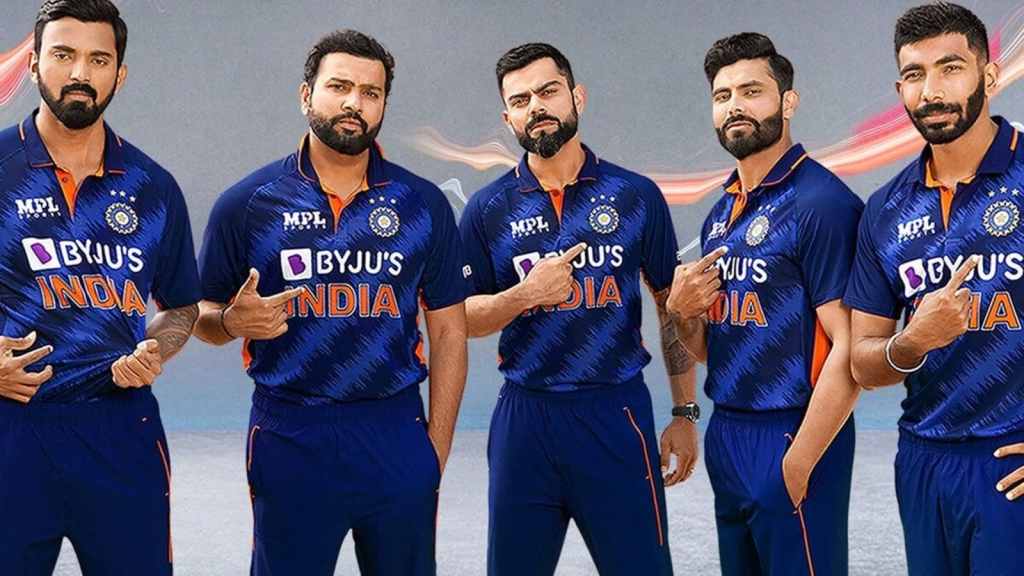



 A Fistful of Salt